
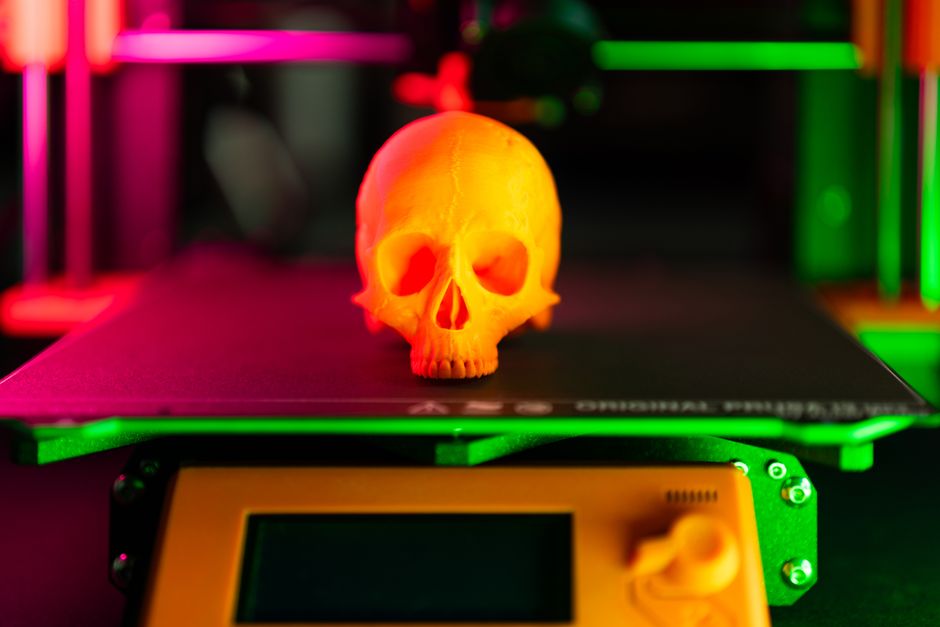
In recent years, the landscape of manufacturing and prototyping has been transformed by the advent of 3D printing technology. This innovative method allows for the creation of complex designs and products at a fraction of the time and cost compared to traditional manufacturing methods. As businesses and individuals explore the vast potential of 3D printing services, understanding their applications and benefits becomes essential.
Understanding 3D Printing Technology
3D printing, also known as additive manufacturing, involves creating three-dimensional objects layer by layer from a digital model. This technology utilizes various materials, including plastics, metals, and even biological substances, making it versatile for numerous applications. Recent advancements have further improved the speed, accuracy, and range of materials available for 3D printing.
The process begins with a digital design, which is often created using computer-aided design (CAD) software. Once the design is finalized, it is converted into a format compatible with 3D printers, typically STL or OBJ files. The printer then reads this file and lays down successive layers of material to build the final product.
Applications of 3D Printing Services
The applications of 3D printing services span a wide range of industries. In the medical field, for example, 3D printing is revolutionizing the way prosthetics and implants are created. Custom prosthetics can be designed to fit individual patients perfectly, improving comfort and functionality. Furthermore, surgical models can be produced for preoperative planning, allowing surgeons to visualize complex procedures in advance.
In the aerospace industry, companies are utilizing 3D printing to produce lightweight components that enhance fuel efficiency. By creating parts that are not only lighter but also stronger, manufacturers can significantly reduce costs and improve performance. According to a study by the National Institute of Standards and Technology, aerospace companies that implement 3D printing can save up to 70% on manufacturing costs.
Benefits of Using 3D Printing Services
One of the most significant advantages of utilizing 3D printing services is the reduction in lead time. Traditional manufacturing processes often require extensive tooling and setup, which can take weeks or even months. In contrast, 3D printing can produce prototypes in a matter of hours, enabling faster product development cycles and quicker time-to-market.
Moreover, 3D printing allows for greater design flexibility. Designers can create intricate geometries that would be impossible or prohibitively expensive to achieve with traditional methods. This capability not only enhances creativity but also encourages innovation in product design and engineering.
Additionally, 3D printing is more sustainable than traditional manufacturing methods. It minimizes waste by using only the material needed for production, and many 3D printers can work with recycled materials. This eco-friendly aspect appeals to companies aiming to reduce their environmental impact.
Choosing the Right 3D Printing Service Provider
When selecting a 3D printing service provider, businesses should consider several factors. Quality and precision are paramount; thus, it is essential to review the provider’s portfolio and client testimonials. Look for providers that utilize advanced technologies and high-grade materials to ensure the final product meets your expectations.
Additionally, consider the range of services offered. Some providers specialize in specific industries, while others may offer a broader array of solutions. It is advantageous to choose a provider that can offer end-to-end services, from design assistance to post-processing.
Lastly, evaluate the provider’s customer support. A responsive and knowledgeable support team can greatly enhance the experience, particularly for those unfamiliar with the 3D printing process. This aspect can make a significant difference in ensuring that projects run smoothly from start to finish.
Future Trends in 3D Printing Services
The future of 3D printing services looks promising, with several trends poised to shape the industry. One notable trend is the increasing use of artificial intelligence (AI) in the design and manufacturing processes. AI can optimize designs for strength, weight, and material usage, leading to more efficient production.
Another trend is the rise of customized solutions. As consumers seek personalized products, 3D printing provides an ideal solution by allowing for mass customization without the associated costs of traditional manufacturing. Businesses that can offer tailored products will likely see increased customer satisfaction and loyalty.
Finally, the integration of 3D printing with other technologies, such as the Internet of Things (IoT) and blockchain, is expected to enhance traceability and efficiency in production. This integration will further streamline supply chains and improve the overall quality of products.
Conclusion
In conclusion, 3D printing services are revolutionizing manufacturing and design across various industries. From medical applications to aerospace advancements, the benefits of this technology are manifold. As businesses continue to explore the capabilities of 3D printing, understanding its potential and selecting the right service provider will be critical for success. For those interested in leveraging these innovative solutions, partnering with a reliable 3D printing service can pave the way for future growth and innovation.
About the Author