Sheet metal fabrication is a crucial process in various industries, ranging from aerospace to architecture. It involves the cutting, bending, and assembling of metal sheets to create various components and structures. Understanding the principles and techniques involved in sheet metal fabrication can greatly enhance the efficiency and quality of production. In this article, we will delve into the intricacies of this fascinating field, exploring its methods, applications, and the technologies that are shaping its future.
What is Sheet Metal Fabrication?
At its core, sheet metal fabrication is the process of transforming flat metal sheets into specific shapes and structures using various techniques. This transformation can include processes such as laser cutting, punching, welding, and bending. Each technique offers unique benefits and is suitable for different applications. The choice of method often depends on the material properties, the complexity of the design, and the desired end product.
Sheet metal itself is typically made from metals like aluminum, steel, brass, and copper, which can be easily shaped and manipulated. The thickness of the sheet can vary, allowing for a wide range of applications—from delicate components in electronics to heavy-duty structures in construction.
Key Techniques in Sheet Metal Fabrication
1. **Laser Cutting**: This technique utilizes high-powered lasers to cut through metal sheets with precision. It is particularly useful for intricate designs and can produce clean edges without the need for further finishing. Laser cutting is highly efficient and can be automated, which reduces labor costs.
2. **Bending**: Bending is a fundamental process in sheet metal fabrication where the metal is deformed along a straight axis. This can be achieved with tools like press brakes, which apply force to bend the metal at precise angles. Bending allows for the creation of flanges, brackets, and other components that require specific shapes.
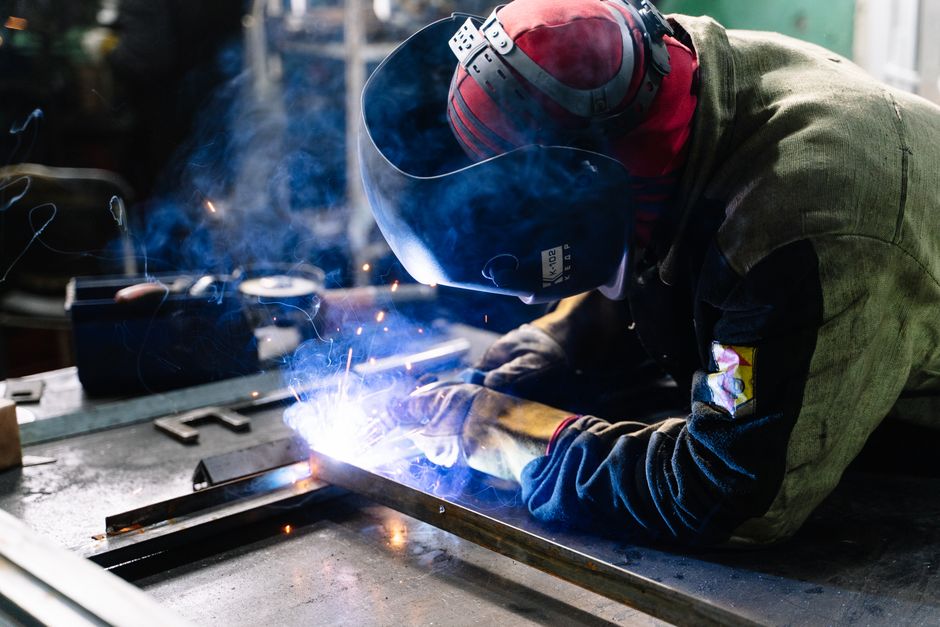
3. **Welding**: Welding is a critical step in the assembly of sheet metal parts. Various welding techniques, such as MIG (Metal Inert Gas) and TIG (Tungsten Inert Gas), are employed to join metal pieces together securely. The choice of welding method often depends on the materials being joined and the required strength of the bond.
Applications of Sheet Metal Fabrication
Sheet metal fabrication is ubiquitous in modern manufacturing. Its applications span multiple sectors:
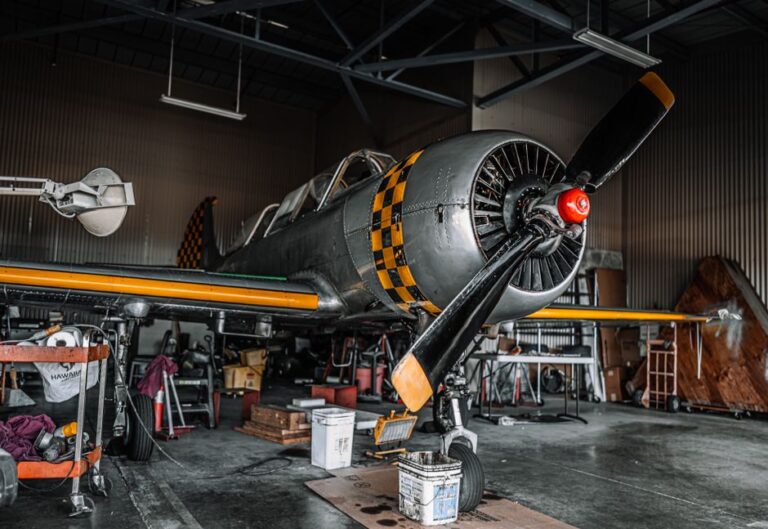
1. **Aerospace**: In the aerospace industry, lightweight and durable components are essential. Sheet metal fabrication is used to create fuselage panels, wing structures, and various internal parts.
2. **Automotive**: The automotive industry relies heavily on sheet metal fabrication for producing body panels, chassis, and structural components. The ability to create complex shapes while maintaining strength and reducing weight is vital in vehicle design.
3. **Construction**: In construction, sheet metal is used for roofing, siding, and HVAC systems. The durability and versatility of metal make it a popular choice for building materials.
Advancements and Future Trends
As technology evolves, so does the world of sheet metal fabrication. Recent advancements include:
1. **Automation**: The integration of robotics and AI in fabrication processes is on the rise. Automated systems can improve precision, speed, and efficiency in production lines, leading to reduced costs and waste.
2. **3D Printing**: Although still in its nascent stages for metals, 3D printing technology is beginning to influence sheet metal fabrication. The ability to create complex geometries that were previously impossible with traditional methods offers exciting new possibilities.
3. **Sustainable Practices**: As industries focus on sustainability, sheet metal fabrication is adapting. Techniques that reduce energy consumption and waste, as well as the use of recycled materials, are becoming more prevalent.
Conclusion
In conclusion, sheet metal fabrication is a dynamic and essential field that combines art and engineering. Its techniques are foundational to many industries, providing the means to create everything from consumer products to critical infrastructure. As technology advances, the future of sheet metal fabrication looks promising, with innovations poised to enhance efficiency, sustainability, and creativity in design. Understanding the principles of this craft not only enriches our appreciation of the products we use daily but also highlights the intricate processes that bring them to life.
About the Author