In recent years, the fashion industry has witnessed a significant shift towards personalization. Custom clothing manufacturing has emerged as a vital segment, catering to the growing demand for unique apparel that reflects individual styles and preferences. This article explores the nuances of custom clothing manufacturing, its benefits, challenges, and the future it holds in the ever-evolving fashion landscape.
Understanding Custom Clothing Manufacturing
Custom clothing manufacturing refers to the process of producing garments tailored to the specific requirements of the consumer. Unlike mass-produced clothing, which often lacks individuality, custom clothing allows for personalization in terms of fabric, fit, design, and overall aesthetic. This shift towards customization is driven by changing consumer behavior, as more individuals seek to express themselves through their clothing choices.
The process typically begins with the consumer selecting a manufacturer, often utilizing online platforms that specialize in custom clothing. These platforms allow customers to choose from a variety of styles and materials, providing an interactive experience that enhances their shopping journey. The integration of technology into the manufacturing process has made it easier for consumers to visualize their designs, bridging the gap between concept and reality.
The Benefits of Custom Clothing Manufacturing
One of the primary advantages of custom clothing is the unparalleled fit it offers. Many consumers struggle to find ready-to-wear garments that fit perfectly, leading to dissatisfaction and returns. Custom clothing manufacturing addresses this issue by allowing for precise measurements to be taken, resulting in garments that fit the individual perfectly.
Moreover, custom clothing promotes sustainable fashion practices. By producing garments on demand, manufacturers can significantly reduce waste associated with overproduction, a common issue in the traditional fashion industry. This aligns with the growing consumer preference for sustainable products, as more individuals seek to make environmentally conscious choices.
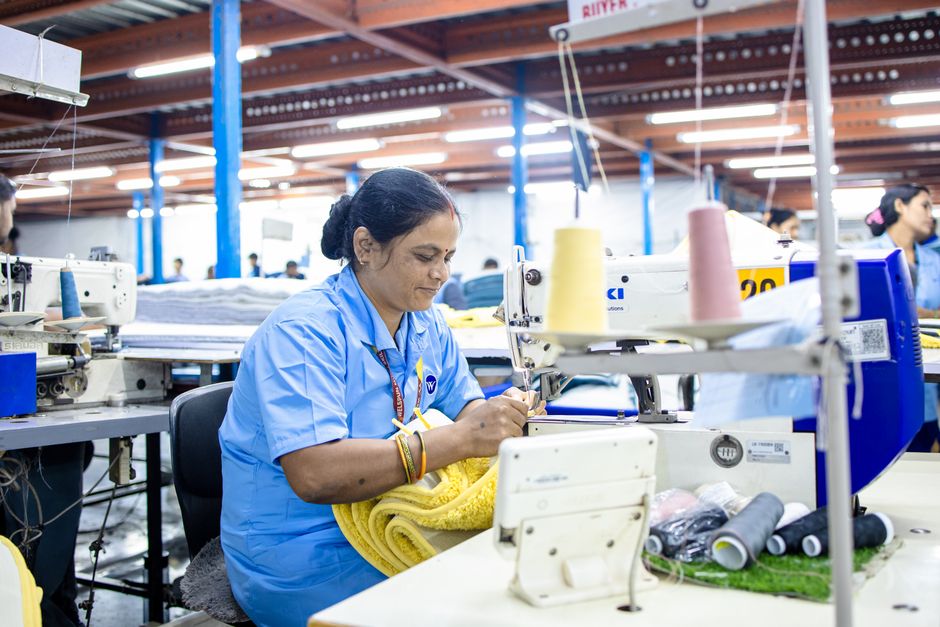
In addition to sustainability, custom clothing manufacturing supports local economies. Many custom clothing manufacturers operate on a smaller scale, often sourcing materials locally and employing local artisans. This not only helps to sustain local jobs but also contributes to the economic well-being of the community.
Challenges in the Custom Clothing Sector
Despite its numerous benefits, custom clothing manufacturing is not without its challenges. One significant hurdle is the higher price point associated with custom garments. Consumers often perceive custom clothing as a luxury, which can limit accessibility for a broader audience. Manufacturers must find ways to balance quality and affordability to attract a wider customer base.
Another challenge is the production timeline. Custom clothing typically requires a longer lead time compared to mass-produced items, which can deter consumers who are accustomed to fast fashion. Manufacturers need to communicate realistic timelines to their customers and manage expectations effectively.
Additionally, the reliance on technology poses its own set of challenges. While technology enhances the customization process, it also requires continuous investment and adaptation. Manufacturers must stay abreast of technological advancements to maintain a competitive edge in the market.
The Future of Custom Clothing Manufacturing
The future of custom clothing manufacturing looks promising, driven by advancements in technology and changing consumer preferences. Innovations such as 3D printing and artificial intelligence are set to revolutionize the industry, allowing for even greater levels of customization and efficiency in production.
As consumers increasingly demand personalized experiences, manufacturers who can adapt and innovate will thrive. Companies that effectively leverage technology to enhance the customization process will likely see significant growth. This includes the use of virtual fitting rooms and augmented reality, which can provide consumers with a more immersive shopping experience.
Furthermore, as sustainability continues to be a driving factor in consumer decisions, custom clothing manufacturing offers a viable solution. With a focus on on-demand production, manufacturers can reduce waste and contribute to a more sustainable fashion ecosystem. This aligns with the values of the modern consumer, who is more aware of the environmental impact of their purchases.
Conclusion
Custom clothing manufacturing represents a significant evolution in the fashion industry, driven by consumer demand for personalization and sustainability. While challenges remain, the benefits of custom clothing are clear, offering consumers a unique and tailored experience. As technology continues to advance and consumer preferences shift, the future of custom clothing manufacturing is poised for growth and innovation. For those interested in exploring this dynamic sector, partnering with a reliable custom clothing manufacturer can be a crucial step towards achieving their fashion goals.
About the Author