
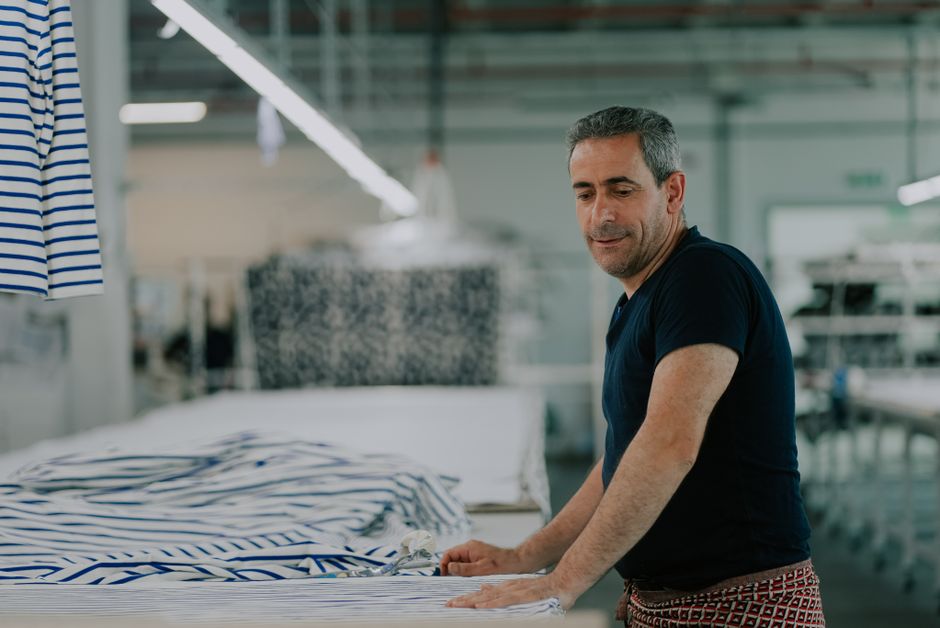
In a world where individuality and personal expression are increasingly valued, custom clothing manufacturing has emerged as a pivotal solution for brands and consumers alike. This innovative approach not only allows for unique designs tailored to specific needs but also enhances sustainability in the fashion industry. As businesses move towards greater personalization, understanding the ins and outs of custom clothing manufacturing becomes essential.
Understanding Custom Clothing Manufacturing
Custom clothing manufacturing refers to the process of creating garments tailored to specific requirements, including design, fabric, size, and fit. Unlike mass production, which focuses on uniformity, custom manufacturing prioritizes the unique preferences of each client. This allows brands to cater to niche markets effectively.
For instance, a small startup might utilize a custom clothing manufacturer to create a limited run of a unique design that reflects its brand identity. By working closely with manufacturers, startups can ensure their vision is realized, leading to higher customer satisfaction and brand loyalty.
Moreover, custom clothing manufacturing supports smaller businesses that may lack the resources to compete with large-scale brands. It empowers them to carve out their own space in the competitive fashion landscape.
Benefits of Custom Clothing Manufacturing
The advantages of custom clothing manufacturing are manifold. First and foremost, it offers unparalleled flexibility in design and production. Brands can experiment with various styles, materials, and cuts without the constraints of standard production lines. This adaptability is crucial in an ever-evolving fashion market where trends can shift rapidly.
Additionally, custom manufacturing can significantly reduce waste. Traditional manufacturing processes often lead to excess inventory and unsold stock. In contrast, custom orders can be produced based on actual demand, minimizing surplus. This not only benefits the environment but also improves a company’s bottom line.
Furthermore, the ability to provide personalized products can enhance customer loyalty. When consumers feel that a product is made just for them, they are more likely to develop a strong connection to the brand, leading to repeat purchases and positive word-of-mouth referrals.
Challenges in Custom Clothing Manufacturing
Despite its many benefits, custom clothing manufacturing is not without its challenges. The primary issue is the complexity of the production process. Each order may require different materials, patterns, and specifications, making it difficult to streamline operations.
Moreover, turnaround times can be longer compared to mass production. This is due to the meticulous attention to detail required for each custom piece. Companies must manage customer expectations regarding delivery times while maintaining high-quality standards.
Lastly, finding a reliable custom clothing manufacturer can be daunting. Businesses must conduct thorough research to ensure that the manufacturer can deliver on their promises in terms of quality, timeliness, and ethical practices.
How to Choose the Right Custom Clothing Manufacturer
Selecting the right custom clothing manufacturer is crucial for the success of any clothing line. Companies should begin by identifying their specific needs and goals. Are they looking for high-quality materials, rapid turnaround times, or innovative designs? Understanding these priorities will help narrow down the search.
It’s also essential to review the manufacturer’s portfolio and client testimonials. This provides insight into their capabilities and reliability. A manufacturer with experience in a specific niche or style may be better suited for a brand with particular needs.
Finally, maintaining open communication with potential manufacturers is vital. Brands should discuss their vision, timeline, and budget upfront to ensure that both parties are aligned. Establishing a solid relationship from the outset can lead to a more successful partnership.
The Future of Custom Clothing Manufacturing
The future of custom clothing manufacturing looks promising. As technology advances, new methods such as digital printing and automated cutting are making it easier and more cost-effective to produce custom garments. This technological evolution allows brands to offer more intricate designs and faster service.
Additionally, the growing consumer demand for sustainable and ethical fashion practices is further propelling the custom clothing sector. More brands are recognizing the importance of sourcing materials responsibly and reducing their environmental impact. This shift aligns perfectly with the principles of custom manufacturing, which emphasizes quality over quantity.
As we look ahead, it is clear that custom clothing manufacturing will continue to play a vital role in shaping the fashion industry. With its capacity for personalization, sustainability, and innovation, it stands as a powerful tool for brands seeking to differentiate themselves in a crowded marketplace.
Conclusion
In conclusion, custom clothing manufacturing represents a significant shift in how garments are produced and consumed. By embracing this model, brands can foster creativity, enhance customer relationships, and contribute to a more sustainable fashion industry. As we move forward, understanding and leveraging the benefits of custom manufacturing will be essential for any business aiming to thrive in today’s dynamic market.
About the Author