The luxury brand reseller market has seen a significant boom in recent years, driven by a combination of consumer desire for high-end goods and the accessibility of online platforms. Reselling luxury items allows individuals to tap into a lucrative market that not only provides potential profit but also satisfies the ongoing demand for exclusive products. This article explores the ins and outs of becoming a successful luxury brand reseller.
Understanding the Luxury Reselling Market
The luxury reselling market is characterized by its unique dynamics. Unlike traditional retail, where brands control distribution, the resale market thrives on individual sellers offering pre-owned or even new items at competitive prices. According to a report by Bain & Company, the global luxury resale market is projected to grow to $64 billion by 2025, highlighting the increasing acceptance and popularity of second-hand luxury goods.
One of the key drivers of this growth is the environmental consciousness among consumers. Buying pre-owned luxury items not only provides savings but also contributes to sustainable fashion practices. As consumers become more aware of their purchasing decisions, resellers have a unique opportunity to cater to this demographic.
Identifying Profitable Luxury Items
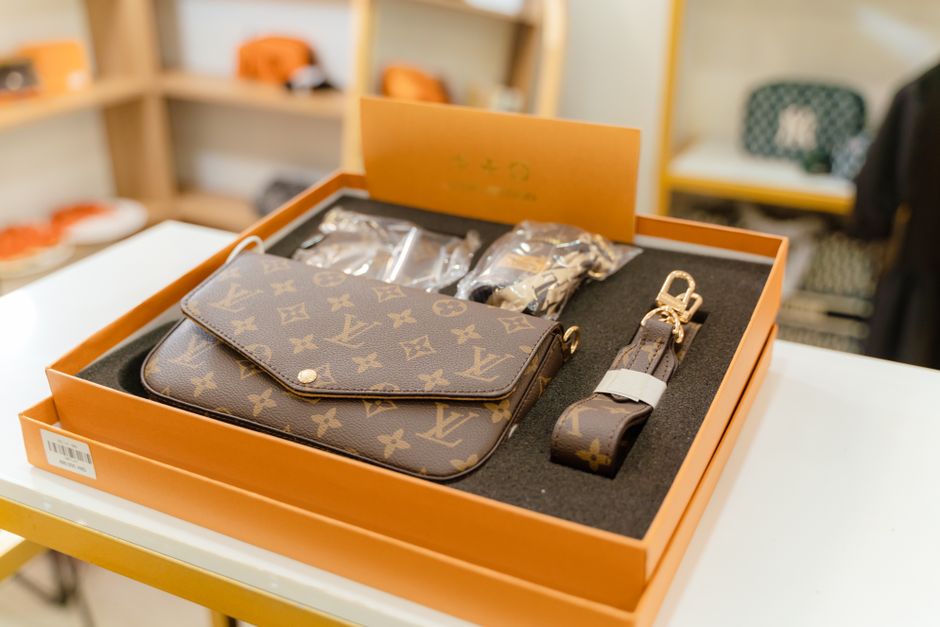
To succeed as a luxury brand reseller, it is crucial to identify items that are in high demand. Popular luxury brands such as Chanel, Louis Vuitton, and Gucci tend to retain their value well and can be sold at significant markups. Researching current fashion trends and understanding which items are currently sought after can give resellers an edge.
For example, limited edition releases or seasonal collections can fetch higher prices due to their exclusivity. A recent auction of a rare Hermès Birkin bag sold for over $300,000, indicating the potential profit margins for resellers who can acquire such high-demand items.
Choosing the Right Selling Platform
The choice of platform for selling luxury goods can greatly affect a reseller’s success. There are various online marketplaces dedicated to luxury items, such as The RealReal, Vestiaire Collective, and Poshmark. Each platform has its own audience and selling fees, so it is essential to evaluate which aligns best with your products.
In addition to established platforms, social media channels like Instagram and Facebook Marketplace have become popular avenues for reselling luxury items. Leveraging these platforms can help resellers reach wider audiences, but it requires effective marketing strategies and an eye-catching presentation of products.
Building a Trustworthy Brand
Trust is paramount in the luxury resale market. Buyers are often cautious about purchasing high-value items online, so establishing a trustworthy brand is crucial. This can be achieved through various means, including providing detailed descriptions, high-quality images, and transparent return policies.
Furthermore, engaging with customers through social media can enhance brand loyalty and encourage repeat purchases. Resellers should also consider obtaining authentication services to verify the legitimacy of their products, as this can significantly increase consumer trust and willingness to buy.
Marketing Strategies for Resellers
Effective marketing strategies are essential for standing out in a competitive market. Utilizing SEO practices can help increase visibility online. For instance, incorporating keywords related to luxury brand reseller into product listings can attract more potential buyers.
Additionally, collaborations with influencers or fashion bloggers can expand reach and credibility. By showcasing products through trusted figures in the fashion industry, resellers can tap into their followers and gain exposure to new audiences.
Another effective strategy is to create a newsletter or blog that provides insights into the luxury market, trends, and styling tips. This not only positions the reseller as an authority in the niche but also keeps customers engaged and informed.
For those looking to dive deeper into luxury brand reselling, consider visiting luxury brand reseller websites that offer resources and tips for aspiring entrepreneurs. The wealth of information available can provide valuable guidance on entering and excelling in this exciting market.
Conclusion
The luxury brand reseller market presents a myriad of opportunities for individuals looking to profit from high-end goods. By understanding market dynamics, identifying profitable items, choosing the right selling platforms, building trust with customers, and implementing effective marketing strategies, resellers can carve out a successful niche in this lucrative industry. As the landscape of luxury retail continues to evolve, remaining adaptable and informed will be key to thriving as a luxury brand reseller.
About the Author