In the competitive world of dining, the importance of restaurant interior design cannot be overstated. A well-thought-out space not only enhances the aesthetic appeal of a restaurant but also plays a crucial role in shaping the overall dining experience. From the choice of colors to the arrangement of furniture, every detail contributes to the ambiance that can either attract or deter patrons. This article delves into the intricacies of restaurant interior design, exploring key elements that can transform a simple eatery into a culinary destination.
The Importance of First Impressions
When customers walk into a restaurant, their first impression is often based on the interior design. Research shows that 80% of customers form their opinion about a restaurant within the first 30 seconds of entering. This statistic highlights the need for an inviting atmosphere that resonates with the restaurant’s theme and target audience. For example, a fine dining establishment may opt for a sophisticated, elegant design, while a casual eatery may embrace a more relaxed and playful aesthetic. The right design not only attracts customers but also encourages them to linger longer, increasing the likelihood of repeat visits.
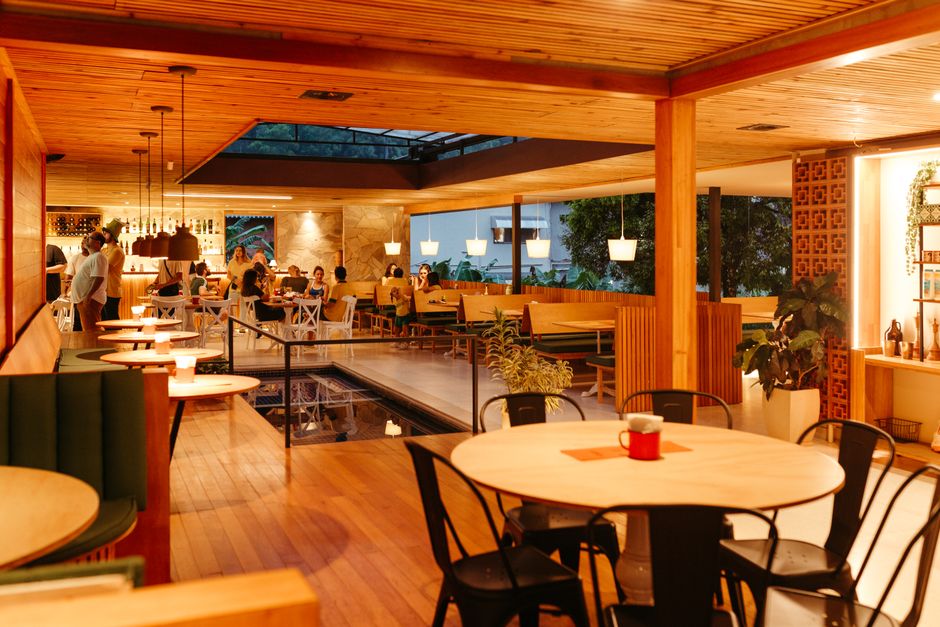
Effective interior design can also communicate the restaurant’s brand identity. Elements such as color schemes, furniture styles, and decorative accents should align with the overall concept. A farm-to-table restaurant, for instance, might incorporate natural wood finishes and earthy tones to reflect its commitment to sustainability and organic ingredients. This cohesive approach helps build a strong connection with customers who share similar values.
Key Elements of Restaurant Interior Design
Several key elements contribute to successful restaurant interior design. These include layout, lighting, color, and furnishings. Each of these components plays a vital role in creating a harmonious space that enhances the dining experience.
The layout of a restaurant is crucial for both functionality and flow. A well-designed layout ensures that customers can easily navigate the space while allowing staff to serve efficiently. Open floor plans can create a sense of community, while more segmented layouts may offer intimacy for couples or small groups. It’s essential to strike a balance between maximizing seating capacity and ensuring comfort.
Lighting is another critical aspect of interior design. The right lighting can set the mood and influence the overall atmosphere. Soft, warm lighting may create a cozy, intimate setting, while bright, natural light can energize the space during the day. Incorporating adjustable lighting options allows restaurants to transition between different moods as the day progresses. Consideration should also be given to how lighting interacts with color schemes and decorative elements.
Incorporating Unique Design Features
To stand out in a saturated market, many restaurants are now incorporating unique design features that enhance their appeal. These could include statement walls, artistic installations, or innovative furniture. For instance, a restaurant might showcase local artists by displaying their artwork on the walls, creating a gallery-like experience. This not only supports the local community but also provides an ever-changing visual element that keeps the space fresh and engaging.
Additionally, outdoor dining spaces have gained popularity, especially in urban settings. Creating a seamless transition between indoor and outdoor areas can enhance the overall aesthetic and provide patrons with a unique dining experience. Incorporating greenery, outdoor furniture, and creative lighting can transform a simple patio into a vibrant extension of the restaurant.
Trends in Restaurant Interior Design
As consumer preferences evolve, so do trends in restaurant interior design. Currently, there is a significant shift toward sustainable and eco-friendly design practices. Many restaurants are opting for reclaimed materials, energy-efficient lighting, and sustainable furnishings to reduce their environmental impact. This trend not only appeals to environmentally conscious diners but also sets a positive example for the industry.
Another growing trend is the use of technology in interior design. Many restaurants are integrating digital menus, interactive table settings, and mobile payment options to enhance the customer experience. However, it’s essential to balance technology with the overall ambiance to ensure it complements rather than detracts from the dining experience.
Conclusion: The Future of Restaurant Interior Design
As we look to the future, restaurant interior design will continue to play a pivotal role in shaping the dining experience. By understanding the importance of first impressions, key design elements, and current trends, restaurant owners can create inviting spaces that resonate with their target audience. Ultimately, a thoughtfully designed restaurant has the potential to become a cherished destination for diners, fostering loyalty and encouraging repeat visits. For those interested in exploring more about restaurant interior design, resources and expert insights are readily available to guide the journey.
About the Author