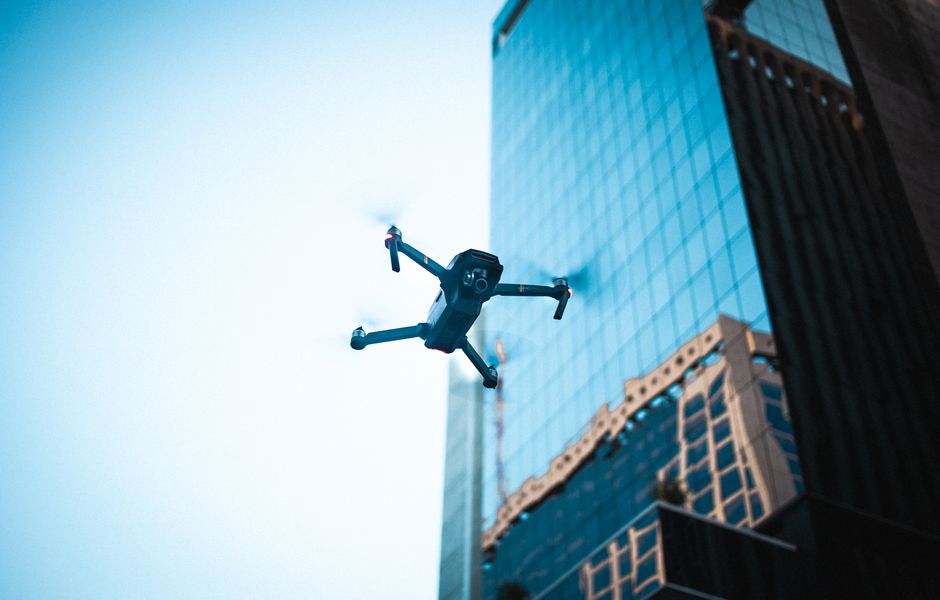
Aerial drone photography has revolutionized the way we capture and experience the world around us. With the rise of drone technology, photographers and videographers are now able to obtain stunning visuals that were once reserved for the realms of aviation or high-altitude photography. This innovative approach not only enhances the storytelling aspect of photography but also opens up new avenues for artistic expression.
The Evolution of Drone Technology
Over the past decade, drone technology has evolved significantly, making it more accessible to both professionals and hobbyists. Initially, drones were primarily utilized for military purposes, but advancements in technology have allowed for civilian use. Today, drones equipped with high-resolution cameras are available at various price points, making it feasible for anyone to venture into aerial photography.
According to a report by the Federal Aviation Administration (FAA), the commercial drone industry is expected to grow exponentially, with an estimated market value of $43 billion by 2024. This growth is indicative of the increasing popularity of drones in various fields, including real estate, agriculture, and environmental monitoring.
One of the most significant advancements is the integration of GPS and stabilization technology, which allows for smoother flight and more precise control. This technology enables photographers to capture breathtaking landscapes and dynamic action shots with ease.
Techniques for Stunning Aerial Shots
Mastering aerial drone photography requires understanding various techniques that can enhance the quality of your images. Here are some essential tips:
1. **Planning Your Shot**: Before taking off, it’s crucial to scout your location. Using apps like AirMap can help you identify no-fly zones and optimal flight paths. Planning allows you to anticipate lighting conditions and composition, ensuring you capture the best possible shot.
2. **Understanding Composition**: Just like traditional photography, composition plays a vital role in aerial photography. Use the rule of thirds to create balanced images, and experiment with different angles to find the most compelling perspectives.
3. **Utilizing Natural Light**: The best times for aerial photography are during the golden hours—shortly after sunrise and before sunset. The soft, diffused light during these times can enhance colors and reduce harsh shadows, resulting in more visually appealing images.
Incorporating these techniques can significantly improve your aerial shots and help you develop a unique style.
The Impact of Aerial Photography on Various Industries
Aerial drone photography has found applications in numerous industries, each benefiting from the unique perspectives it offers. For instance, in real estate, aerial shots provide potential buyers with a comprehensive view of properties and their surroundings. Aerial views can showcase large estates, highlighting features such as gardens, pools, and proximity to local amenities.
In agriculture, drones are used for crop monitoring and analysis. Farmers can assess crop health and identify areas that require attention, enabling them to optimize yields. According to a study by the European Commission, using drones for precision agriculture can increase productivity by up to 20%.
Additionally, aerial photography plays a vital role in environmental monitoring. Drones can capture detailed images of landscapes affected by natural disasters or climate change, providing valuable data for researchers and policymakers. This ability to survey large areas quickly and efficiently is invaluable in today’s fast-paced world.
Legal Considerations and Safety Guidelines
While the benefits of aerial drone photography are vast, it’s essential to understand the legal considerations and safety guidelines associated with flying drones. Each country has its regulations regarding drone usage, and it’s crucial to familiarize yourself with these laws to avoid penalties.
In the United States, the FAA requires drone operators to register their drones, obtain a Remote Pilot Certificate for commercial use, and adhere to specific operational guidelines. These include maintaining visual line-of-sight with the drone, flying below 400 feet, and avoiding flying over crowds.
Safety is paramount in aerial photography. Always conduct pre-flight checks, ensure your drone is in good working condition, and be aware of your surroundings. Following these guidelines will help ensure a safe and enjoyable flying experience.
The Future of Aerial Drone Photography
The future of aerial drone photography looks promising, with ongoing advancements in technology. Innovations such as artificial intelligence (AI) and machine learning are beginning to play a role in automating flight paths and enhancing image quality. Drones equipped with AI can analyze scenes in real-time, adjusting camera settings for optimal results.
Moreover, as drone technology continues to improve, we can expect higher-resolution cameras and longer flight times, allowing photographers to explore even more creative possibilities. The integration of augmented reality (AR) could also transform how we experience aerial photography, offering interactive and immersive visual experiences.
For those interested in exploring this exciting field, resources are available to help you get started. Online tutorials, workshops, and community forums can provide valuable insights into mastering aerial drone photography. Whether you’re a seasoned photographer or a beginner, the possibilities are endless.
Conclusion
Aerial drone photography has transformed the way we perceive and document our environment. With advancements in technology and a growing array of applications, it has become an indispensable tool across various industries. By mastering the techniques and understanding the legal landscape, photographers can seize the opportunity to capture stunning visuals from above. Embracing this innovative medium not only enhances artistic expression but also provides valuable insights into our world.
For those looking to dive deeper into the world of aerial photography, consider exploring professional services that specialize in this field. They can offer guidance, equipment recommendations, and practical tips to elevate your aerial photography skills, paving the way for a new creative journey. For more information about professional services, check out aerial drone photography.
About the Author