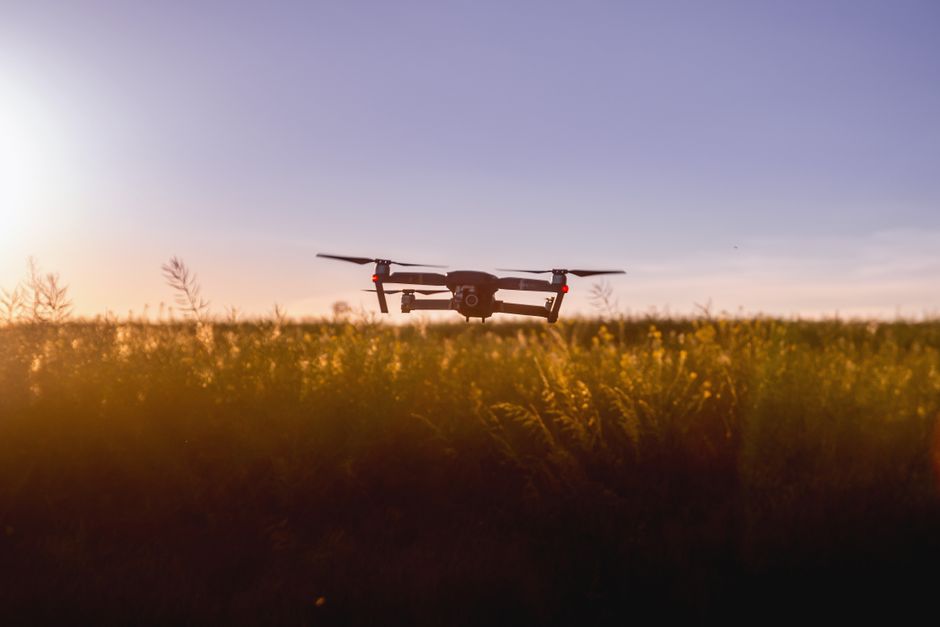
In recent years, aerial drone photography has emerged as a revolutionary tool in visual storytelling. This innovative technology has transformed how we capture landscapes, architecture, and events, providing a unique perspective that was once only achievable through expensive helicopter flights. With the accessibility of drones, both professional photographers and enthusiasts alike are discovering the beauty and potential of aerial imagery.
The Evolution of Aerial Photography
Aerial photography has a rich history, dating back to the early 20th century. Initially, it was limited to military reconnaissance and expensive aircraft. However, the advent of drones has democratized aerial photography, making it available to a broader audience. Drones equipped with high-resolution cameras allow photographers to capture stunning images from various heights and angles, redefining traditional photography.
The technology behind drones has advanced significantly, with improvements in battery life, camera quality, and user-friendliness. For instance, modern drones can shoot in 4K resolution, allowing photographers to produce high-quality images and videos suitable for commercial use. This shift has led to a surge in demand for aerial drone photography in various fields, including real estate, tourism, and filmmaking.
Applications of Aerial Drone Photography
Aerial drone photography is being utilized across numerous industries, showcasing its versatility. In real estate, agents use aerial shots to highlight properties and their surroundings, giving potential buyers a better understanding of the location. Studies have shown that listings with aerial images receive 68% more inquiries than those without.
In the tourism industry, drone photography offers breathtaking views of landscapes and landmarks, attracting visitors to destinations. Travel companies often use stunning aerial images in their marketing materials to entice potential travelers. Furthermore, filmmakers appreciate the cinematic quality that drone footage brings to movies and documentaries, enhancing storytelling through dynamic visuals.
The Technical Aspects of Drone Photography
To fully harness the potential of aerial drone photography, one must understand the technical aspects involved. Choosing the right drone is crucial, as different models offer varying capabilities, such as flight time, camera resolution, and stabilization features. For instance, drones with gimbals provide smoother footage, essential for professional videography.
Additionally, understanding the principles of composition is vital for achieving stunning aerial shots. Techniques such as the rule of thirds, leading lines, and framing can elevate the quality of images. Lighting is another critical factor; golden hour, just after sunrise or before sunset, is often the best time to capture striking aerial photographs.
Legal Considerations and Safety
As the popularity of aerial drone photography grows, so do the legal regulations surrounding it. In many countries, drone operators must adhere to specific guidelines to ensure safety and privacy. For example, in the United States, the Federal Aviation Administration (FAA) mandates that drones must be flown below 400 feet and within the operator’s line of sight.
Furthermore, obtaining permissions for commercial use is essential. Photographers must be aware of no-fly zones, especially near airports and populated areas. Safety should always be a priority; ensuring that drones are operated responsibly minimizes risks to both the operator and the public.
Future Trends in Aerial Drone Photography
The future of aerial drone photography looks promising, with ongoing advancements in technology. Emerging trends include the integration of artificial intelligence (AI) for improved image processing and automated flight planning. These innovations will simplify the workflow for photographers and enhance the quality of aerial imagery.
Moreover, the rise of social media platforms is influencing how aerial drone photography is shared and consumed. Photographers can now reach a global audience, showcasing their work on platforms like Instagram and YouTube. This exposure not only promotes their skills but also inspires others to explore the art of aerial photography.
As the field continues to evolve, the importance of community and collaboration among drone photographers will grow. Sharing techniques, experiences, and challenges can lead to a more enriched understanding of the craft.
Conclusion
Aerial drone photography is more than just a trend; it represents a significant shift in the way we capture and share visual content. The accessibility of drones has opened up a world of possibilities for photographers, enabling them to explore new creative avenues. By understanding the technical aspects, legal considerations, and future trends, photographers can fully leverage the potential of aerial photography. Whether for personal enjoyment or professional endeavors, aerial drone photography is set to remain a vital component of modern visual storytelling.
About the Author