The world of gaming has evolved tremendously over the years, and with this evolution comes the increasing demand for high-performance gaming PCs. Whether you are a casual gamer or a competitive esports player, building your own gaming PC can be a rewarding experience that not only offers superior performance but also allows for customization to suit your specific gaming needs. In this article, we will explore the essential components, benefits, and steps involved in creating the perfect gaming PC.
Understanding the Key Components
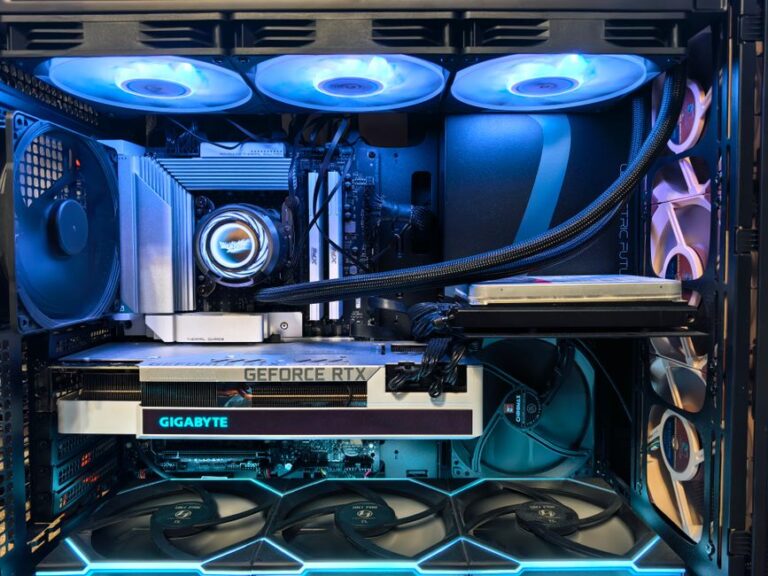
When it comes to building a gaming PC, understanding the key components is crucial. The main parts you will need include the CPU (Central Processing Unit), GPU (Graphics Processing Unit), RAM (Random Access Memory), storage, motherboard, power supply, and the PC case. Each of these components plays a vital role in the overall performance of your gaming rig.
The CPU is often referred to as the brain of your computer. It processes all the instructions from your programs and is essential for multitasking. The GPU, on the other hand, is responsible for rendering images and video, making it a critical component for gaming performance. For example, a powerful GPU can significantly enhance your gaming experience by providing higher frame rates and better graphics quality.
RAM is another important factor to consider. It allows your computer to quickly access data and improves overall system performance. For gaming, 16GB of RAM is generally considered the sweet spot, providing enough memory for most modern games. Storage solutions have also evolved, with SSDs (Solid State Drives) offering faster load times compared to traditional HDDs (Hard Disk Drives).
The Benefits of Building Your Own Gaming PC
One of the primary advantages of building your own gaming PC is the ability to customize it according to your preferences and budget. This allows you to select components that best suit your gaming style, whether that means prioritizing graphics performance, faster load times, or even aesthetic elements like RGB lighting.
Additionally, building your own PC can often be more cost-effective than buying a pre-built system. While it may require some initial research and investment, many builders find that they can get better specifications for the same price or even less when compared to commercial options.
Moreover, assembling your own gaming PC can also provide a sense of accomplishment and a deeper understanding of how computers work. This knowledge can be invaluable if you ever need to troubleshoot issues or upgrade components in the future.
Steps to Build Your Gaming PC
Now that you understand the components and benefits, let’s dive into the steps involved in building your gaming PC. First, you will need to gather all your parts and tools. This includes a screwdriver, thermal paste, and an anti-static wrist strap to prevent any damage to the components.
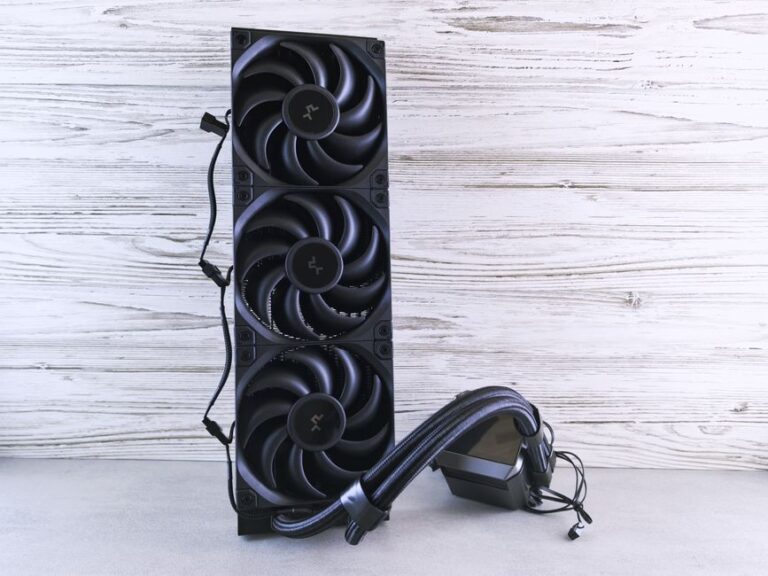
Next, start by installing the CPU onto the motherboard. Make sure to line up the notches correctly and secure it without applying too much pressure. Then, apply thermal paste before attaching the CPU cooler. This step is crucial for keeping your CPU temperature in check during gaming sessions.
Once the CPU cooler is in place, you can install the RAM sticks in the appropriate slots on the motherboard. This is usually a straightforward process, as most RAM modules are designed to fit in one direction. Following this, install the motherboard into the PC case and secure it with screws.
Choosing the Right Peripherals
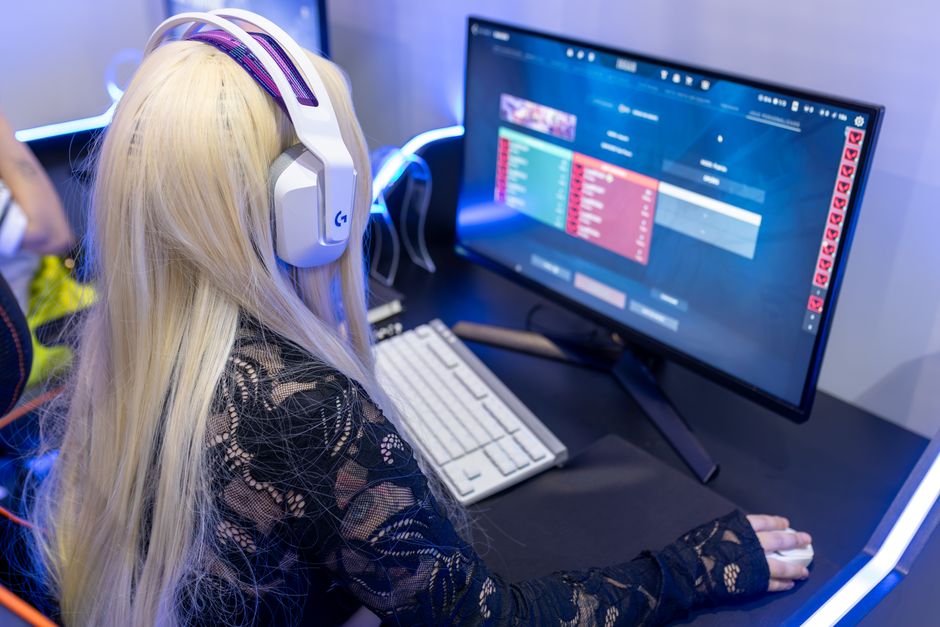
While the internal components are vital, don’t forget about the peripherals that can enhance your gaming experience. A high-refresh-rate monitor, mechanical keyboard, and responsive gaming mouse can make a significant difference in how you interact with your games.
When selecting a monitor, look for features such as refresh rate and response time. A monitor with a refresh rate of 144Hz or higher can provide smoother gameplay, reducing motion blur and improving your overall gaming experience. Similarly, a mechanical keyboard can offer better tactile feedback and durability compared to traditional membrane keyboards.
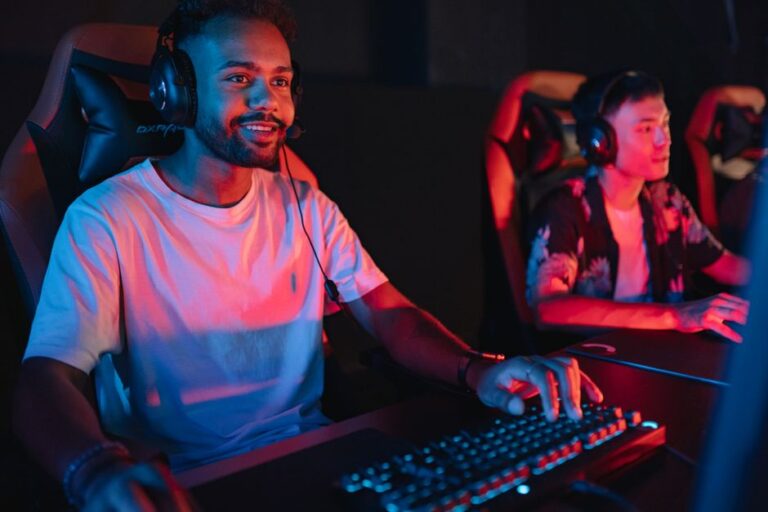
Lastly, consider investing in a good gaming headset. High-quality audio can immerse you in your games, allowing you to hear subtle sounds that can give you an edge in competitive play.
Final Thoughts on Your Gaming PC Journey
Building your own gaming PC can be a fulfilling project that provides not only a powerful gaming machine but also the satisfaction of having crafted it yourself. By understanding the essential components, weighing the benefits, and following the right steps, you can create a system tailored to your gaming needs.
For those looking for guidance during the building process, utilizing resources such as a gaming PC builder can simplify your component selection and compatibility checks. Now, armed with knowledge and resources, it’s time to embark on your gaming PC building journey!
About the Author