In an increasingly digital world, the way we explore and experience places has transformed remarkably. Virtual tour photography has emerged as a compelling solution for businesses and individuals seeking to showcase their spaces in an immersive manner. This innovative approach not only enhances user engagement but also serves as an effective marketing tool across various industries.
The Basics of Virtual Tour Photography
Virtual tour photography involves capturing and stitching together a series of high-resolution images to create a 360-degree view of a particular space. The final product allows viewers to navigate through the environment as if they were physically present. This technique has gained traction in real estate, hospitality, education, and many other fields.
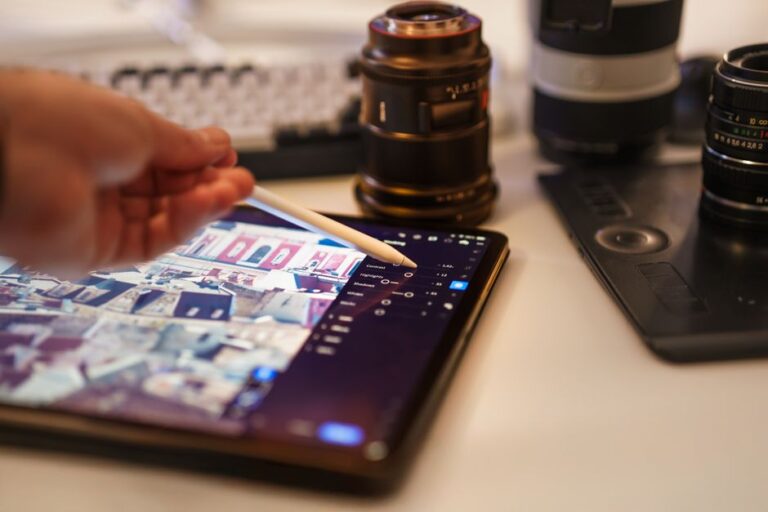
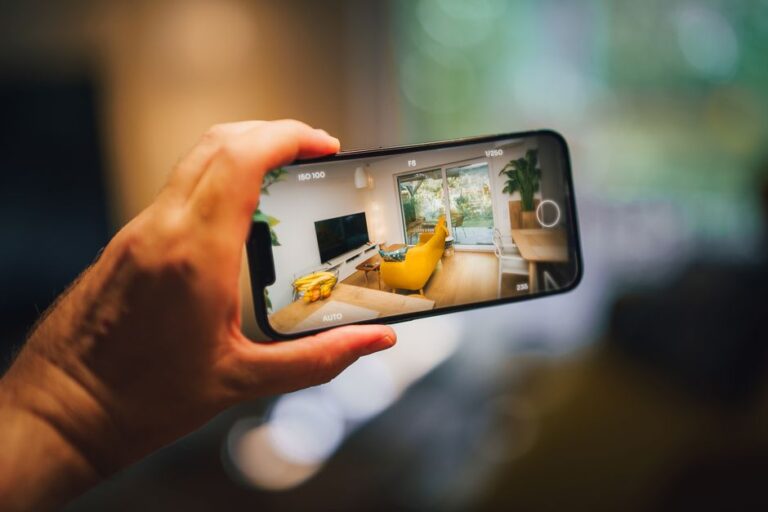
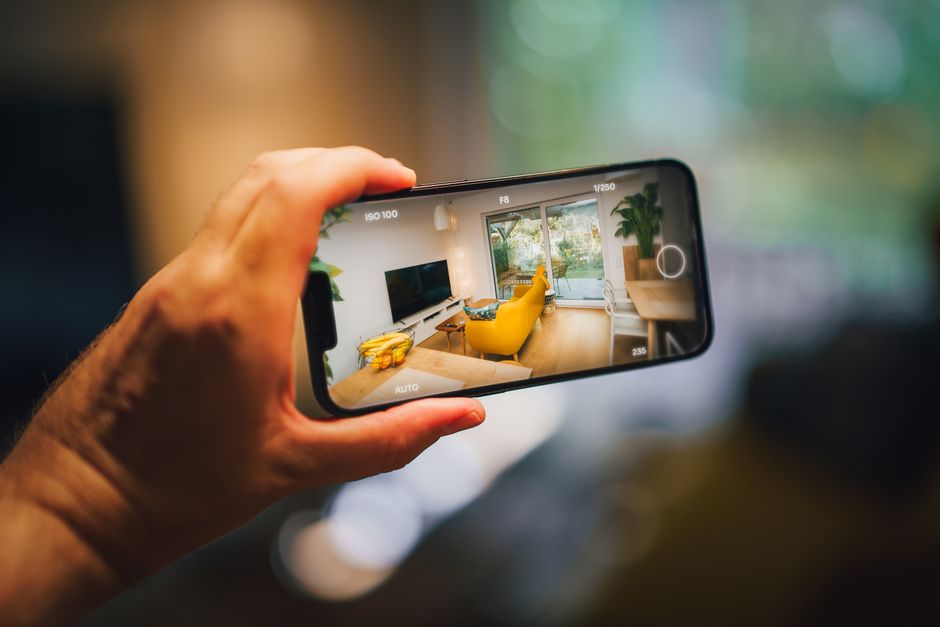
One of the primary tools for virtual tour photography is the 360-degree camera, which captures a panoramic view in a single shot. These cameras have become more accessible and affordable, enabling even small businesses to utilize this technology. Additionally, software solutions for editing and stitching images have improved, making the process more user-friendly.
Applications in Various Industries
Virtual tour photography has found applications across a multitude of sectors. In real estate, for instance, properties can be showcased to potential buyers from anywhere in the world. This not only saves time for agents but also allows buyers to narrow down their options before scheduling physical visits.
In the hospitality industry, hotels and resorts can offer potential guests a virtual experience of their facilities. This has become especially crucial during the pandemic, where physical visits may be limited. By providing a virtual tour, hotels can highlight their amenities, rooms, and surroundings, ultimately influencing booking decisions.
Educational institutions are also leveraging virtual tours to attract students. By providing a 360-degree view of campuses, prospective students can explore classrooms, libraries, and recreational facilities, making informed choices about their education.
Benefits of Virtual Tours
The benefits of virtual tour photography extend beyond mere visual appeal. One significant advantage is the enhanced user engagement it fosters. Studies have shown that interactive content, such as virtual tours, can lead to longer website visits and increased interest in the showcased products or services.
Moreover, virtual tours can improve SEO rankings. Websites that incorporate engaging visual content often see higher click-through rates and lower bounce rates, which are essential factors in search engine optimization. This means that businesses using virtual tour photography can not only enhance user experience but also improve their visibility online.
Another critical benefit is the ability to reach a global audience. With virtual tours, geographical limitations are eliminated, allowing businesses to showcase their offerings to potential customers worldwide. This is particularly valuable for niche markets or specialized services that may not have a broad local customer base.
Challenges and Considerations
While virtual tour photography offers numerous advantages, it is not without its challenges. One of the primary concerns is the initial investment in equipment and software. High-quality 360-degree cameras and editing software can be costly, which may deter small businesses from adopting this technology.
Additionally, creating a compelling virtual tour requires expertise in photography and editing. Businesses may need to hire professional photographers or invest time in learning how to produce high-quality tours themselves. This can be a significant hurdle for those without prior experience in photography.
Furthermore, maintaining the content’s relevance is crucial. As spaces change over time due to renovations or updates, businesses must ensure that their virtual tours accurately represent their current offerings. Regular updates and maintenance are essential to keep the content fresh and engaging.
Future Trends in Virtual Tour Photography
The future of virtual tour photography looks promising, with emerging technologies set to enhance the experience even further. For instance, the integration of virtual reality (VR) and augmented reality (AR) with virtual tours can create even more immersive experiences. Users could explore spaces with VR headsets or interact with digital elements through AR applications.
Moreover, advancements in artificial intelligence (AI) could streamline the editing and stitching processes, making it easier for businesses to create high-quality tours without extensive technical knowledge. This democratization of technology could lead to widespread adoption across various industries.
As consumer expectations continue to evolve, incorporating virtual tour photography into marketing strategies will likely become a standard practice. Businesses that adapt to these trends will be better positioned to engage their audiences and stand out in a competitive market.
Conclusion
In conclusion, virtual tour photography represents a significant leap forward in how we experience and market spaces. With its ability to enhance user engagement, improve SEO rankings, and reach a global audience, it has become an invaluable tool for various industries. While challenges exist, the benefits far outweigh the drawbacks, making it a worthy investment for businesses looking to elevate their marketing strategies. As technology continues to evolve, the possibilities for virtual tour photography will only expand, offering exciting opportunities for the future.
For those interested in exploring this innovative medium, consider investing in virtual tour photography to enhance your business’s visibility and engagement.
About the Author