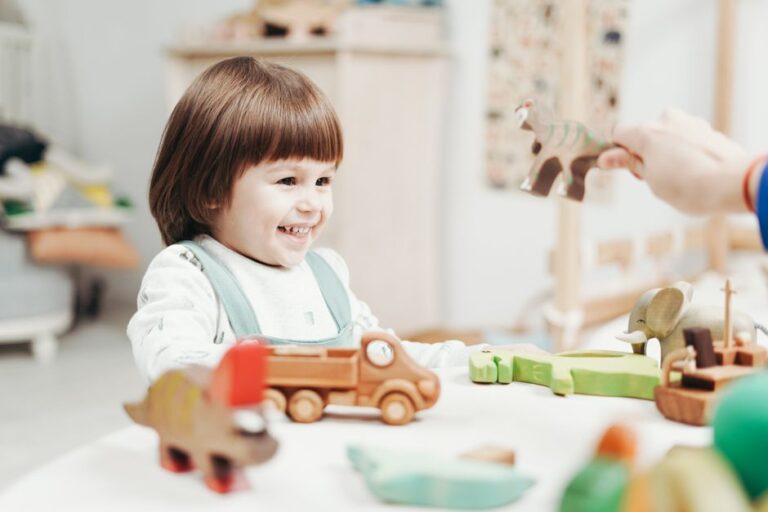
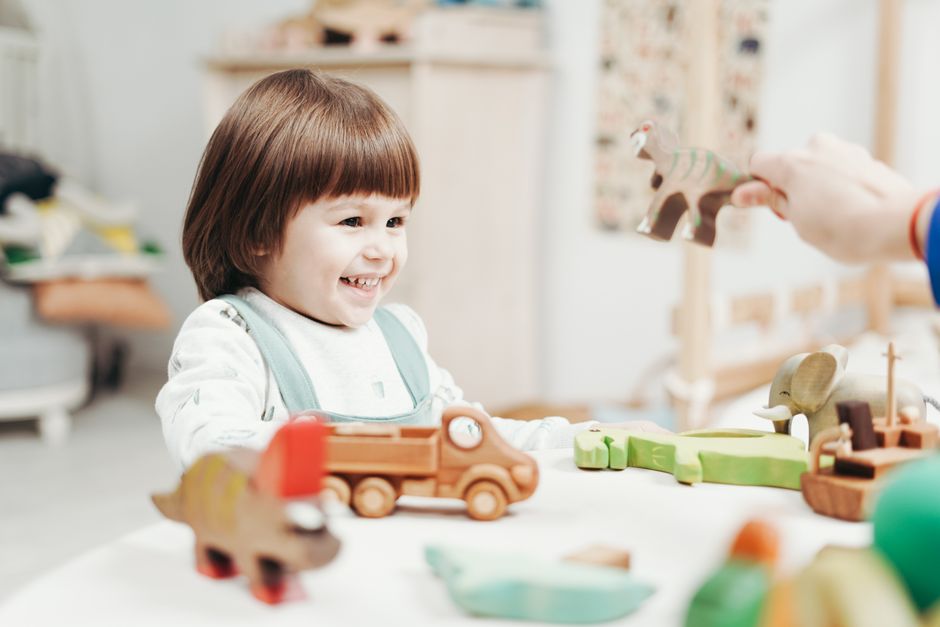
In the world of play, children’s toys hold a significant place, shaping not only how kids interact with their environment but also influencing their development. The role of children toy manufacturers has evolved dramatically over the years, adapting to advancements in technology, changing consumer preferences, and growing awareness around safety and sustainability. This article explores the current landscape of children toy manufacturing, highlighting key trends, innovations, and what the future may hold for this vibrant industry.
The Historical Context of Toy Manufacturing
The history of toy manufacturing dates back centuries, with evidence of toys being made from wood, cloth, and other natural materials. In the early 20th century, the industrial revolution brought about mass production techniques, allowing for toys to be produced on a larger scale. This shift not only made toys more accessible but also sparked a wave of creativity among manufacturers. For instance, iconic toys like the teddy bear and LEGO blocks emerged during this time, setting the standard for generations to come.
As we moved into the late 20th century, the introduction of plastic revolutionized the industry, leading to the creation of a diverse range of toys. However, with this innovation came new challenges, particularly regarding safety and environmental impact. Today, parents are increasingly concerned about the materials used in toys, prompting manufacturers to adopt more stringent safety measures and explore eco-friendly alternatives.
Current Trends in Children Toy Manufacturing
Today’s children toy manufacturers are navigating a complex landscape, driven by several key trends. One significant trend is the rise of educational toys that promote STEM (science, technology, engineering, and mathematics) learning. These toys are designed not just for entertainment but also to foster critical thinking and problem-solving skills. Brands like LEGO have successfully tapped into this market by offering sets that encourage creativity and engineering skills.
Another trend is the integration of technology into toys. Smart toys that connect to apps or utilize augmented reality are becoming increasingly popular. These innovations enhance the play experience and provide interactive learning opportunities. For example, some manufacturers have developed coding robots that teach children programming basics in a fun and engaging way.
Sustainability in Toy Manufacturing
As environmental concerns continue to rise, sustainability has become a priority for many children toy manufacturers. The push for eco-friendly toys has led to the use of recycled materials, biodegradable plastics, and sustainable sourcing practices. Companies like Green Toys are leading the charge by creating toys made from 100% recycled materials, proving that fun and eco-consciousness can go hand in hand.
Moreover, transparency in manufacturing processes is becoming increasingly important to consumers. Parents are more likely to support brands that openly share their production methods and materials. This shift towards sustainability not only benefits the environment but also enhances brand loyalty among consumers who prioritize ethical practices.
The Role of Safety Standards
The safety of children’s toys is paramount, and manufacturers are required to adhere to strict safety standards to ensure that their products are safe for children. Organizations such as the American Society for Testing and Materials (ASTM) and the Consumer Product Safety Commission (CPSC) set guidelines that manufacturers must follow to prevent hazards such as choking or toxic exposure.
Compliance with these standards is not just a legal requirement; it also serves as a marketing advantage. Parents are more inclined to purchase toys from brands that prioritize safety, thus encouraging manufacturers to invest in rigorous testing and quality assurance processes. The emphasis on safety has led to innovations in design and materials, ensuring that toys are not only fun but also safe for play.
The Future of Children Toy Manufacturing
Looking ahead, the future of children toy manufacturing appears promising, with continued advancements in technology and a growing emphasis on sustainability. The emergence of artificial intelligence and machine learning could lead to even more personalized and interactive toys. Imagine a toy that adapts to a child’s learning pace, providing customized challenges to enhance their skills.
Moreover, the trend towards inclusivity and diversity in toy design is gaining traction. Manufacturers are increasingly recognizing the importance of representing different cultures, abilities, and genders in their products. This approach not only enriches the play experience but also fosters a sense of belonging among children from diverse backgrounds.
As the industry evolves, it is clear that children toy manufacturers must remain agile and responsive to changing consumer demands. By embracing innovation, prioritizing safety, and committing to sustainability, these manufacturers will continue to play a crucial role in shaping childhood experiences for generations to come. For those interested in finding reliable suppliers, researching a reputable children toy manufacturer can be a great starting point.
Conclusion
The landscape of children toy manufacturing is continuously evolving. From the historical context of toy production to current trends and future innovations, the industry is at the forefront of creativity and responsibility. As manufacturers strive to meet the demands of modern consumers while prioritizing safety and sustainability, the impact of their efforts will resonate with children and parents alike, shaping the way future generations play and learn.
About the Author