
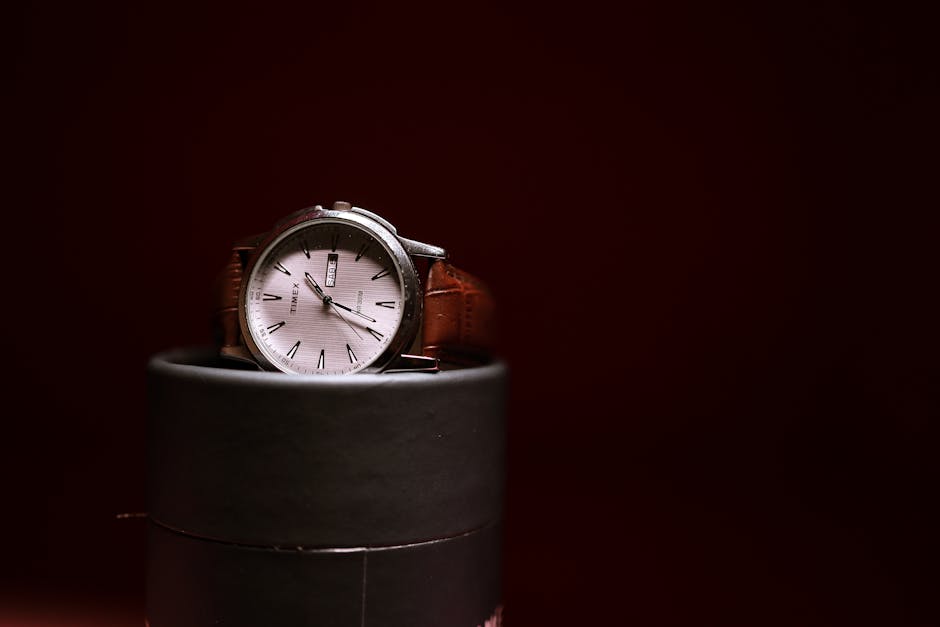
Wristwatches have transcended their original purpose of simply telling time to become a significant part of our daily lives, reflecting personal style and status. In a world where smartphones dominate, the wristwatch still holds its ground as a symbol of elegance and craftsmanship. This article delves into the fascinating world of wristwatches, exploring their history, types, and the impact they have on our culture.
The History of Wristwatches
The evolution of wristwatches dates back to the late 19th century when they were primarily worn by women as decorative items. Men typically used pocket watches, which were considered more practical. However, during World War I, the need for soldiers to have a hands-free way of telling time led to the rise of wristwatches for men. This pivotal moment marked the shift in perception and utility of wristwatches in society.
By the 1920s and 1930s, wristwatches began to gain popularity, with brands like Rolex and Patek Philippe leading the charge. The introduction of automatic movements in the mid-20th century further solidified their status as a luxurious accessory. Today, wristwatches are not only functional but also a statement of one’s personality and style.
Types of Wristwatches
Wristwatches can be categorized into several types, each serving different purposes and appealing to various audiences. The most common types include analog, digital, smartwatches, and dive watches. Analog watches, featuring traditional hour and minute hands, appeal to classic tastes, while digital watches offer a modern touch with their LED displays.
Smartwatches have revolutionized the industry, integrating technology with traditional watchmaking. They serve as fitness trackers, communication devices, and even health monitors. Despite the rise of smartwatches, many enthusiasts still prefer mechanical watches for their intricate craftsmanship and timeless appeal.
The Craftsmanship Behind Luxury Watches
Luxury wristwatches are often seen as works of art, showcasing the skill and dedication of master watchmakers. Brands like Audemars Piguet and Omega invest years into perfecting their designs and movements. The meticulous process involves hundreds of tiny components, assembled with precision.
For instance, the creation of a single luxury wristwatch can take anywhere from several months to a few years. This attention to detail is what sets luxury watches apart, making them not just time-telling devices but also cherished heirlooms. Investing in a luxury watch often means acquiring a piece of history and craftsmanship that can appreciate in value over time.
The Cultural Significance of Wristwatches
Wristwatches hold a significant place in various cultures around the world. They are often gifted on special occasions, symbolizing milestones such as graduations, weddings, or career achievements. In many societies, a wristwatch can signify success and status, often reflecting the wearer’s personal style and economic standing.
The rise of social media has also transformed how wristwatches are perceived. Influencers and celebrities showcase their favorite timepieces, making certain brands more desirable. This trend has led to an increase in the market for luxury watches, as enthusiasts seek to own a piece of the lifestyle portrayed online.
The Future of Wristwatches
As technology continues to evolve, the future of wristwatches seems promising yet uncertain. While smartwatches are gaining traction, traditional wristwatches remain resilient. The demand for high-quality, handcrafted watches continues to grow, as consumers seek authenticity and craftsmanship in a rapidly digitalizing world.
Moreover, innovations in materials and sustainability practices are shaping the industry. Brands are increasingly focusing on eco-friendly options, from sourcing materials responsibly to implementing sustainable manufacturing processes. This shift reflects a broader societal trend towards sustainability and ethical consumerism.
For those looking to explore the world of wristwatches further, options abound, including both luxury and more affordable choices. Some enthusiasts even turn to clone watches to enjoy the aesthetic of high-end models without the hefty price tag.
Conclusion
Wristwatches have come a long way from their origins as mere timekeeping devices. They embody a blend of history, craftsmanship, and cultural significance that continues to captivate enthusiasts worldwide. Whether as a functional accessory or a fashion statement, wristwatches will likely retain their allure and importance in society for years to come. As we move forward, the balance between tradition and innovation in watchmaking will define the future of this timeless accessory.
About the Author