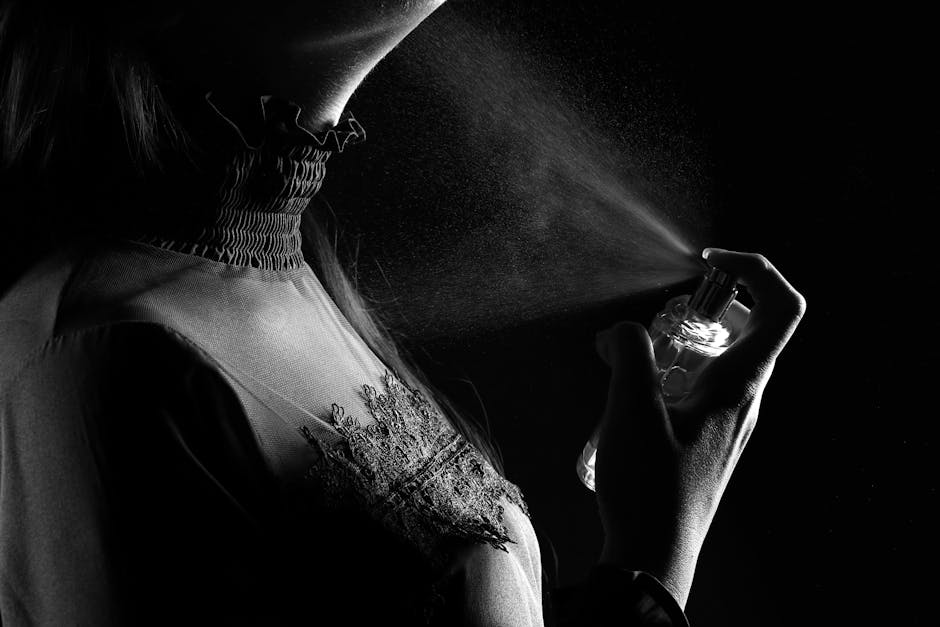
Perfume has been a part of human culture for thousands of years, captivating our senses and emotions. From ancient rituals to modern luxury products, the evolution of fragrance reflects our desires, memories, and identities. In this article, we explore the intricate world of perfume, examining its history, the science behind scent creation, and the trends shaping the industry today.
The Historical Journey of Perfume
Perfume’s roots can be traced back to ancient civilizations, notably the Egyptians, who used fragrant oils in religious ceremonies and as part of their burial practices. They believed that these scents could connect them with the divine. As time progressed, the art of perfumery spread to the Greeks and Romans, who refined the techniques of scent extraction and blending.
In the Middle Ages, perfume became synonymous with luxury and sophistication in Europe, especially among the aristocracy. The introduction of distillation techniques during the Renaissance allowed perfumers to create more complex and varied scents. Today, the global fragrance market is valued at over $48 billion, showcasing the enduring appeal of perfume across cultures and eras.
The Science Behind Scent
Creating a perfume is both an art and a science. At its core, perfume is made up of essential oils, aroma compounds, and solvents, typically alcohol and water. The combination of these ingredients results in a fragrance that can evoke emotions and memories. Perfume creators, known as perfumers or ‘noses’, spend years studying the properties of different ingredients and how they interact with one another.
The olfactory system, which is responsible for our sense of smell, is incredibly complex. When we inhale a fragrance, the molecules travel to the olfactory receptors in our nasal cavity, triggering signals that are sent to the brain. This process explains why scent can have such a profound emotional impact, often linked to powerful memories and experiences.
Modern Trends in Perfume
As consumer preferences evolve, so does the perfume industry. There is a growing trend towards natural and sustainable ingredients. Many brands are now prioritizing eco-friendly practices and sourcing materials responsibly. Consumers are becoming more aware of the environmental impact of their purchases, leading to a surge in demand for niche and artisanal perfumes.
Moreover, the rise of online shopping has transformed how fragrances are marketed and purchased. Brands are utilizing digital platforms to reach wider audiences, offering personalized scent profiles and virtual consultations. For example, companies like Maison Francis Kurkdjian (MFK) have embraced these trends, creating a unique online presence that engages customers in new and innovative ways.
The Role of Perfume in Personal Identity
Perfume is often seen as an extension of one’s personality. The choice of fragrance can reflect individual tastes, moods, and even social status. For many, wearing a signature scent is a way to express their identity and make a lasting impression. Psychological studies have shown that people often associate certain scents with specific traits, influencing perceptions in personal and professional interactions.
In addition, the unisex trend in perfumes has gained popularity, challenging traditional gender norms in fragrance marketing. Brands are increasingly offering scents that cater to all genders, promoting inclusivity and diversity in the realm of perfumery.
Conclusion: The Enduring Allure of Perfume
Perfume remains a captivating element of human experience, intertwining art, science, and personal expression. As we continue to explore new frontiers in fragrance, the industry adapts to our changing desires and values. Whether through a classic scent or an innovative blend, perfume has the power to evoke emotions, create memories, and connect us to the world around us.
About the Author