
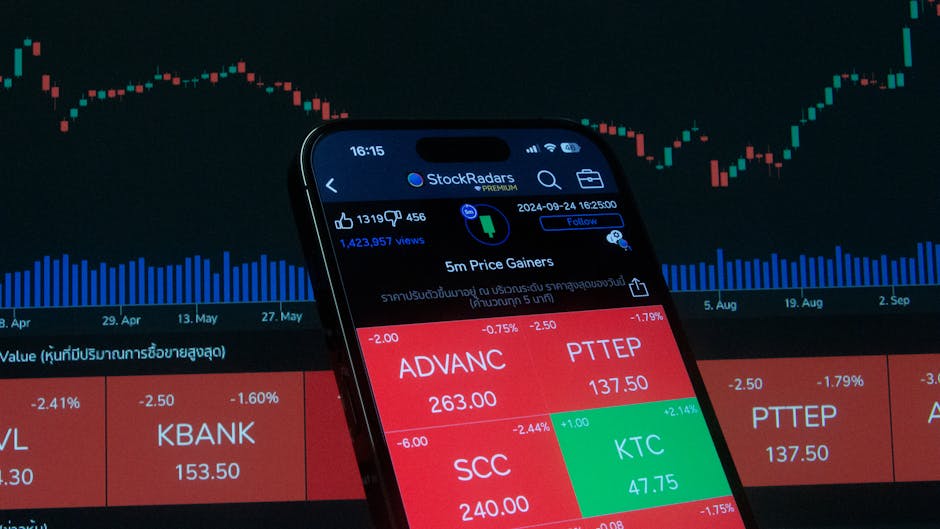
Stocks are one of the most fundamental components of the financial markets, serving as a barometer for economic health and individual investment opportunities. Whether you’re a seasoned investor or just starting to explore the world of finance, understanding stocks is crucial for making informed decisions. In this article, we will delve into the different types of stocks, their significance, and how they can affect both individual portfolios and the broader economy.
What Are Stocks?
Stocks represent ownership in a company, and when you purchase a share, you essentially buy a piece of that business. Companies issue stocks to raise capital for various purposes, such as expanding operations, investing in research and development, or paying off debt. There are two main types of stocks: common stocks and preferred stocks. Common stockholders typically have voting rights and may receive dividends, while preferred stockholders have a higher claim on assets and earnings but usually do not have voting rights.
Investors often look at stocks as a way to grow their wealth over time. According to historical data, stocks have outperformed other asset classes like bonds and cash in the long run. However, investing in stocks also comes with risks, including market volatility and the potential for loss.
The Importance of Stock Markets
Stock markets serve as a platform for buying and selling stocks, providing liquidity and transparency to investors. Major stock exchanges like the New York Stock Exchange (NYSE) and the Nasdaq facilitate this trading, enabling companies to raise funds while giving investors the opportunity to buy shares. The performance of these markets often reflects the overall economic conditions; for instance, during periods of economic expansion, stock prices tend to rise, whereas they may fall during recessions.
Moreover, stock markets are closely monitored by economists and policymakers as they can indicate consumer confidence and business sentiment. A rising stock market often signals optimism about future economic growth, while a declining market may suggest uncertainty. Thus, understanding the nuances of stock market movements can provide valuable insights into broader economic trends.
How to Evaluate Stocks
Evaluating stocks involves analyzing various factors, including financial statements, market conditions, and industry trends. Investors often rely on metrics such as Price-to-Earnings (P/E) ratios, earnings per share (EPS), and dividend yields to assess a company’s financial health. For example, a lower P/E ratio may indicate that a stock is undervalued compared to its earnings potential, making it an attractive investment opportunity.
Additionally, investors should consider qualitative factors, such as management quality, competitive advantages, and market position. Conducting thorough research and staying informed about market events can help investors make more strategic decisions, ultimately leading to better investment outcomes.
The Risks of Stock Investing
While stocks can offer significant rewards, they also come with inherent risks. One of the most prominent risks is market risk, which refers to the potential for losses due to fluctuations in stock prices. Economic downturns, political instability, and changes in interest rates can all impact the stock market.
Furthermore, individual companies may face specific risks, such as poor management decisions, product recalls, or legal issues. Diversification—spreading investments across various sectors and asset classes—can help mitigate some of these risks, enabling investors to balance potential losses with gains from other investments.
Future Trends in the Stock Market
As the world becomes increasingly interconnected, several trends are shaping the future of stock markets. Technology, for instance, is revolutionizing how stocks are traded, with advancements in algorithms and artificial intelligence leading to faster and more efficient trading. Additionally, the rise of environmental, social, and governance (ESG) investing is influencing how investors choose stocks, with a growing emphasis on ethical and sustainable practices.
Furthermore, global events, such as pandemics or geopolitical tensions, can have immediate effects on stock prices and investor sentiment. Being aware of these trends and adapting investment strategies accordingly can position investors for long-term success in the ever-evolving stock market landscape.
Conclusion
Understanding stocks is essential for anyone looking to invest wisely and navigate the financial markets. By grasping the types of stocks, their significance in the economy, and the methods for evaluating and managing risks, investors can make informed decisions that align with their financial goals. As the stock market continues to evolve, staying informed and adaptable will be key to successful investing. For those interested in exploring diverse investment opportunities, various platforms and tools are available to assist, including innovative technologies and resources like nsfw character ai that offer unique insights into market dynamics.
About the Author