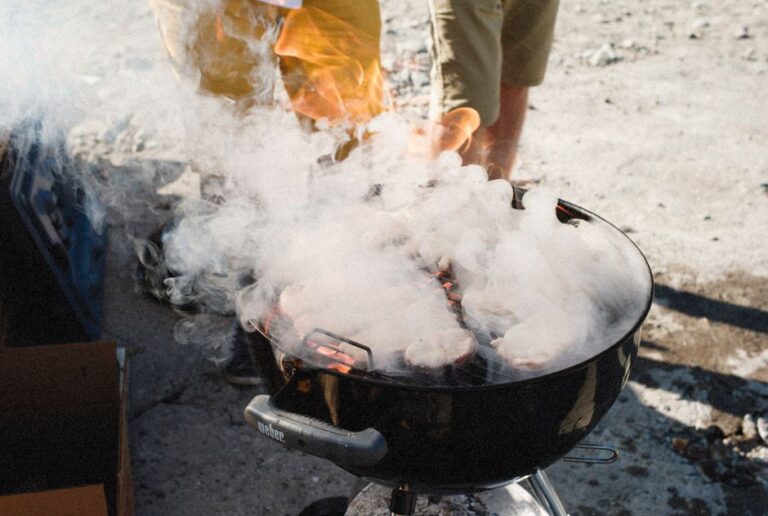
Barbecue is more than just a method of cooking; it is a cultural phenomenon that brings people together, ignites passion, and transforms simple ingredients into unforgettable meals. From backyard gatherings to competitive cook-offs, barbecue has carved its niche in culinary traditions around the world. This article delves into the rich history, essential techniques, and the best practices for mastering the art of barbecue.
The History of Barbecue
Barbecue has deep roots that trace back centuries. The term itself is derived from the Taino word ‘barbacoa’, which referred to a method of slow-cooking meat over an open flame. This technique spread through the Americas and evolved into various regional styles. In the United States, barbecue became particularly prominent in the Southern states, where it is celebrated with festivals, competitions, and family gatherings.
As barbecue culture grew, so did the variety of styles. From Texas brisket to Carolina pulled pork, each region boasts its unique flavor profiles, cooking methods, and traditions. For instance, Texas barbecue often emphasizes the quality of the meat, while in the Carolinas, vinegar-based sauces reign supreme. Understanding these regional differences can enhance your appreciation of barbecue.
Barbecue has also become a symbol of community and togetherness. Families gather around the grill, friends enjoy cookouts, and neighborhoods host block parties centered on barbecue. This social aspect is just as important as the food itself, creating memories that last a lifetime.
Essential Barbecue Techniques
To truly master barbecue, one must understand the various techniques involved. The two primary cooking methods are direct and indirect heat. Direct heat is best for quick-cooking items like burgers and hot dogs, while indirect heat is ideal for larger cuts of meat that require longer cooking times.
Smoking is another crucial aspect of barbecue. This technique involves cooking meat at low temperatures while exposing it to smoke from burning or smoldering materials, typically wood. Different types of wood impart distinct flavors; for example, hickory adds a strong, smoky taste, while applewood offers a sweeter, milder flavor. Experimenting with different woods can elevate your barbecue dishes.
Marinating and seasoning are equally important. A good marinade can tenderize meat and infuse it with flavor. Popular ingredients include vinegar, citrus juices, and various spices. Additionally, a dry rub—a mixture of spices and herbs applied directly to the meat—can create a flavorful crust when cooked.
Choosing the Right Equipment
The right equipment can make or break your barbecue experience. First, consider the type of grill you want to use. Charcoal grills offer a traditional smoky flavor, while gas grills provide convenience and ease of use. For those serious about barbecue, a dedicated smoker may be worth the investment.
Other essential tools include meat thermometers, which ensure your meat is cooked to the correct temperature, and quality grilling utensils like spatulas and tongs. Investing in a good set of tools can enhance your cooking experience and ensure better results.
It’s also important to maintain your equipment. Cleaning your grill after each use prevents flare-ups and ensures even cooking. Regular maintenance checks will keep your gear in top shape for many barbecues to come.
Barbecue Recipes to Try
Now that you have the techniques and equipment down, it’s time to put them into practice with some delicious barbecue recipes. One classic dish is smoked brisket, which requires a low and slow cooking method to achieve tender, flavorful meat. Rub the brisket with a blend of spices, let it marinate overnight, and smoke it for several hours until it reaches the desired tenderness.
Another crowd-pleaser is grilled chicken with a homemade barbecue sauce. This sauce can be made from ingredients like ketchup, brown sugar, vinegar, and spices, tailored to your personal taste. Marinate the chicken in the sauce before grilling, and baste it during cooking for an extra layer of flavor.
Don’t forget about sides! Classic barbecue sides include coleslaw, baked beans, and cornbread. These dishes complement the main event and round out the meal, making it a truly festive occasion.
Barbecue Competitions and Community
For those looking to take their barbecue skills to the next level, competitions offer a thrilling opportunity to showcase your talent. Events like the Memphis in May World Championship Barbecue Cooking Contest draw participants from all over the world, who compete for bragging rights and cash prizes. These competitions not only elevate the standard of barbecue but also foster a strong sense of community among enthusiasts.
In addition to competitions, local barbecue festivals serve as a gathering point for fans and cooks alike. These events often feature live music, cooking demonstrations, and, of course, plenty of delicious food to sample. Participating in such events can deepen your appreciation for barbecue and connect you with like-minded individuals.
As you explore the world of barbecue, consider reaching out to local barbecue organizations or clubs. Many of these groups offer resources, workshops, and networking opportunities that can help you grow as a barbecue enthusiast. You can even discover local suppliers who provide quality ingredients and equipment, enhancing your barbecue experience.
Conclusion
Barbecue is a multifaceted culinary art that brings together history, technique, community, and flavor. By understanding its roots, mastering essential techniques, and experimenting with recipes, anyone can enjoy the rich experience that barbecue offers. Whether you’re a casual griller or an aspiring competition champion, the joy of barbecue lies in the connections and memories you create around the fire. So fire up your grill and embrace the wonderful world of barbecue!
For more information about the barbecue community, feel free to reach out to Zeus and discover opportunities to enhance your skills and passion.
About the Author