
In recent years, the importance of renewable energy sources has surged, leading to a parallel rise in the demand for effective energy storage solutions. As we transition towards a more sustainable energy landscape, understanding the intricacies of energy storage systems becomes crucial. These systems not only enhance the reliability of renewable energy but also play a pivotal role in stabilizing the grid and optimizing energy usage.
What are Energy Storage Systems?
Energy storage systems (ESS) are technologies that capture energy produced at one time for use at a later time. They are essential for balancing supply and demand, especially as the share of intermittent renewable energy sources like solar and wind increases. There are various types of energy storage technologies, including batteries, pumped hydro storage, compressed air energy storage, and thermal storage.
Among these, battery storage is the most widely recognized, with lithium-ion batteries leading the charge due to their high energy density and decreasing costs. According to the International Energy Agency, the global battery storage capacity is expected to reach 200 GWh by 2024, reflecting a significant investment in this technology.
Other forms of energy storage, such as pumped hydro storage, account for a large portion of global energy storage capacity, offering advantages in terms of efficiency and longevity. Understanding the different types of energy storage systems is essential for stakeholders in the energy sector, from policymakers to investors.
The Role of Energy Storage in Renewable Energy Integration
As renewable energy sources become more prevalent, the need for effective energy storage systems becomes even more critical. Renewable energy, while abundant, is often intermittent. For instance, solar power generation peaks during the day, while energy demand may rise in the evening. Here, energy storage acts as a bridge, allowing surplus energy generated during peak production hours to be stored and utilized when demand is high.
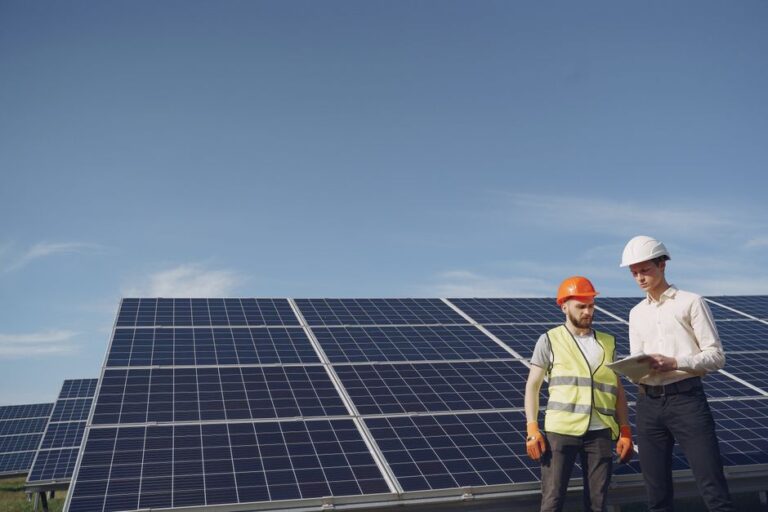
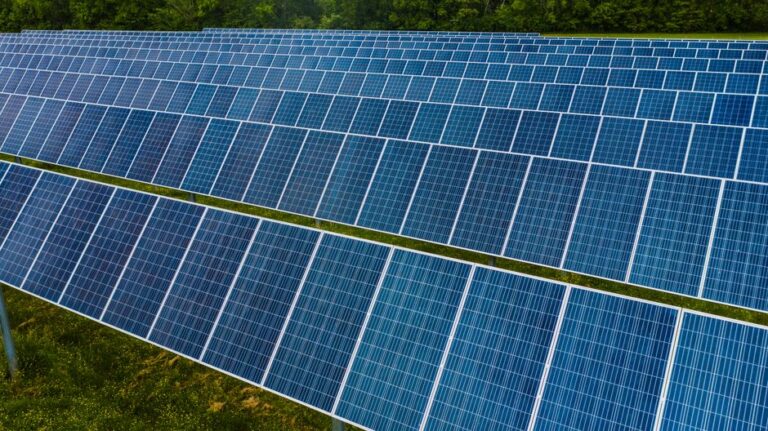
For example, a solar farm equipped with a battery storage system can store excess electricity generated during sunny days and release it during the evening when solar generation ceases. This capability not only enhances the reliability of renewable energy but also reduces dependency on fossil fuels, thus lowering greenhouse gas emissions.
Furthermore, energy storage systems can help mitigate the effects of grid fluctuations, providing ancillary services to support grid stability. This is particularly important as the integration of more renewable energy sources can lead to increased volatility in the power supply.
Economic Benefits of Energy Storage Systems
The economic advantages of deploying energy storage systems are substantial. By optimizing energy usage and reducing peak demand charges, businesses and homeowners can significantly lower their energy bills. According to a report by Lazard, the levelized cost of storage has dropped by over 70% since 2010, making it a more attractive investment compared to traditional energy sources.
Moreover, energy storage systems can provide revenue streams through ancillary services, such as frequency regulation and demand response. For instance, facilities that utilize energy storage can sell excess stored energy back to the grid during peak demand periods, generating additional income.
Investment in energy storage also stimulates job creation within the sector. As the market for energy storage systems expands, it drives demand for skilled labor in manufacturing, installation, and maintenance, contributing to the overall economy.
Challenges and Future of Energy Storage Systems
Despite the promising outlook, energy storage systems also face several challenges. The initial capital costs, regulatory barriers, and limited public awareness can hinder widespread adoption. Policymakers must address these issues through supportive regulations and incentives that encourage investment in energy storage technologies.
Technological advancements are crucial in overcoming these hurdles. Innovations in battery chemistry, such as solid-state batteries, promise to enhance energy density and safety while reducing costs. Additionally, ongoing research in alternative energy storage solutions, such as hydrogen storage, could further diversify the energy storage landscape.
As we look towards the future, the integration of energy storage systems will be vital for achieving global climate goals. By enabling a more flexible and resilient energy grid, these systems can play a key role in facilitating the transition to a low-carbon economy.
Conclusion
Energy storage systems are an integral part of the evolving energy landscape, offering solutions to the challenges posed by renewable energy integration. With their ability to store excess energy, stabilize the grid, and provide economic benefits, the case for investing in these technologies is compelling. As we continue to innovate and develop more efficient energy storage solutions, the future of energy looks brighter than ever.
For more information on energy storage systems, visit energy storage system resources that delve deeper into the specifics of this technology.
About the Author