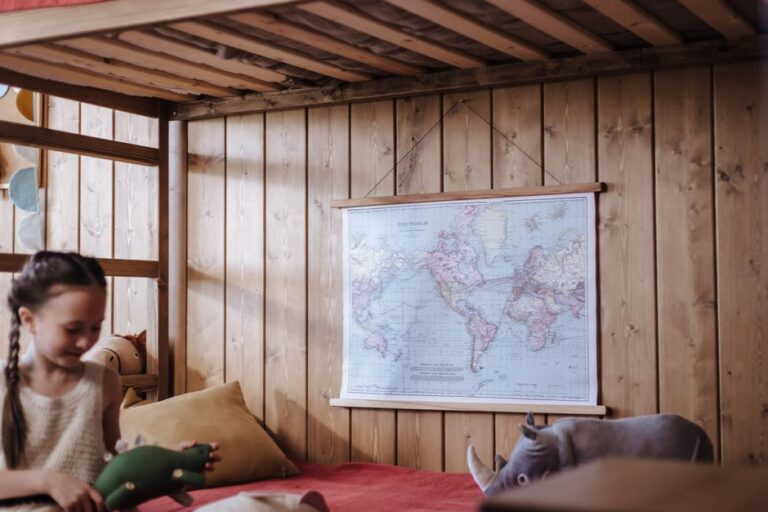
When it comes to furnishing a child’s room, the options can be overwhelming. Parents often find themselves navigating a vast array of choices, from functional to whimsical designs. A well-curated kids furniture store can make this journey much easier by providing a variety of styles that cater to both the needs of children and the aesthetic preferences of parents. In this article, we will explore how to create an engaging shopping experience in a kids furniture store, the importance of safety and durability, and tips for selecting the right pieces.
Understanding the Needs of Children
Children are unique in their needs and preferences, which makes selecting furniture for them quite different from choosing items for adults. It’s essential to understand not only the age group you are targeting but also the interests and developmental stages of children. For example, toddlers require furniture that is lower to the ground and has rounded edges to prevent injuries, while older children may prefer furniture that reflects their personal style.
Another important aspect is the furniture’s versatility. As children grow, their needs change, and furniture that can adapt to these changes is highly desirable. For instance, convertible cribs that transform into toddler beds are popular choices among parents. This adaptability not only saves money but also reduces waste, making it a sustainable choice for eco-conscious families.
Safety and Durability: Non-Negotiable Factors
When it comes to kids furniture, safety cannot be compromised. All items must adhere to safety regulations, which include using non-toxic materials and ensuring that furniture is sturdy enough to withstand the rough housing of children. Parents are increasingly looking for products that are both safe and stylish, making it crucial for kids furniture stores to stock items that meet these criteria.
Durability is equally important. Children are notoriously hard on their belongings, and furniture must be able to withstand the daily wear and tear. Options made from high-quality materials, such as solid wood or heavy-duty fabrics, are often favored. Additionally, many stores are now offering warranties on their products, which can give parents peace of mind.
Creating a Fun and Engaging Shopping Environment
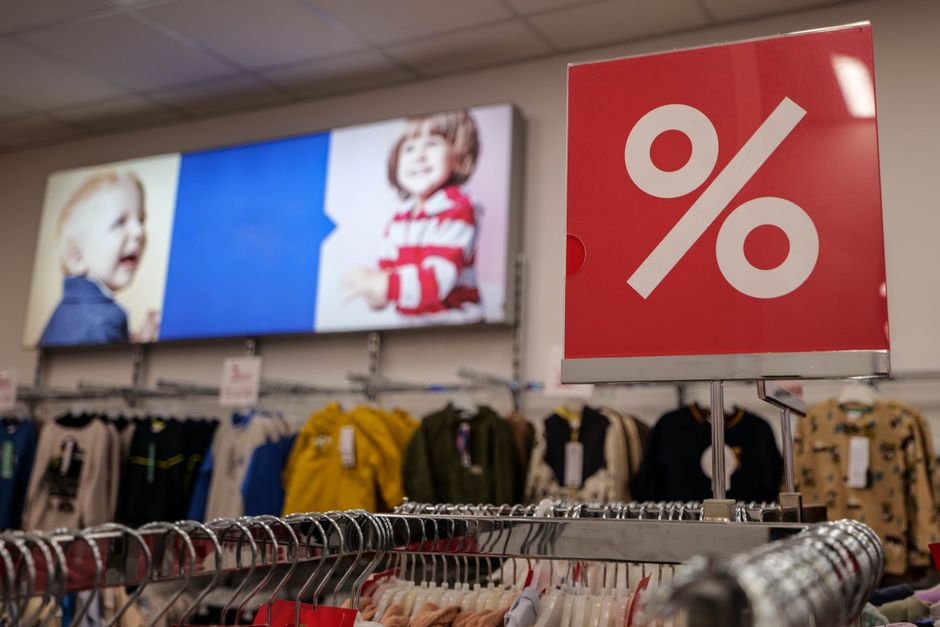
A kids furniture store should be more than just a place to purchase items; it should be an experience. Bright colors, playful displays, and interactive elements can make shopping feel like an adventure for children and parents alike. For example, creating themed areas, such as a fairy tale corner or a sports zone, can help children envision how the furniture will look in their own rooms.
Incorporating technology can also enhance the shopping experience. Virtual reality (VR) or augmented reality (AR) tools can allow parents and children to visualize how different pieces will fit into their spaces. This technology can also help them customize their selections, ensuring they find the perfect items for their needs.
Online vs. In-Store Shopping
In recent years, the rise of e-commerce has transformed the way people shop for furniture. Kids furniture stores must adapt to this change by creating a robust online presence. This includes offering detailed product descriptions, high-quality images, and customer reviews. Additionally, providing virtual consultations can help parents make informed decisions from the comfort of their homes.
However, in-store shopping still holds significant value, particularly for parents who want to see and touch the furniture before purchasing. To bridge the gap between online and offline, many stores are offering click-and-collect services, allowing customers to browse online and pick up their purchases in-store.
Best Practices for Selecting Kids Furniture
When shopping for kids furniture, there are several best practices that parents should keep in mind. First and foremost, measuring the space is crucial. Parents should know the dimensions of the room to ensure that the furniture fits comfortably without overcrowding the space.
Next, parents should consider the functionality of each piece. Multi-purpose furniture, such as beds with built-in storage or desks that can convert into art stations, can be great space-savers. Additionally, choosing neutral colors or classic designs can help furniture remain appealing as children grow older.
Finally, engaging children in the selection process can lead to better choices. Allowing kids to express their preferences can make them feel valued and excited about their space.
Conclusion
The right kids furniture store can significantly impact a child’s living environment, making it essential to choose items that are safe, durable, and engaging. By understanding the needs of children, prioritizing safety and durability, creating an enjoyable shopping experience, and adopting best practices, parents can create spaces that not only meet their child’s needs but also inspire creativity and growth. For those looking for a comprehensive selection, a visit to a specialized kids furniture store can provide the perfect foundation for a child’s room.
About the Author