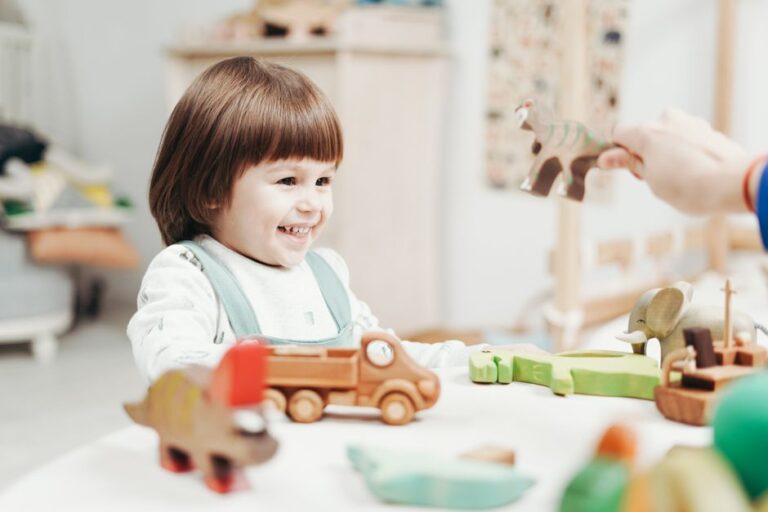
When it comes to furnishing a child’s room, parents face the challenge of blending functionality with fun. Kids furniture stores are not just about offering beds and desks; they are about creating spaces that inspire creativity, comfort, and growth. In this article, we will explore essential aspects of kids furniture stores, including design considerations, safety standards, and the importance of sustainability in children’s furniture.
Understanding the Needs of Children
Children have unique needs that differ significantly from adults. Their furniture must cater not only to their physical size but also to their developmental stages. For instance, toddler beds should be lower to the ground to prevent falls, while desks designed for older kids should accommodate their growing bodies and encourage good posture. By understanding these needs, furniture stores can provide appropriate solutions that enhance the usability and safety of their products.
Moreover, children are often drawn to vibrant colors and playful designs. Incorporating elements such as themed furniture sets or adjustable pieces can help cater to their preferences. For example, a kids furniture store might offer a range of beds designed like race cars or princess castles, making bedtime more exciting and inviting for young children.
Safety Standards in Kids Furniture
Safety is undoubtedly a top priority when it comes to children’s furniture. Parents need to trust that the items they purchase will not pose risks to their children. Furniture should be made from non-toxic materials, and sharp edges should be minimized to prevent injuries. Additionally, furniture stores should comply with safety regulations, such as those set by the Consumer Product Safety Commission (CPSC).
For instance, cribs must meet specific requirements to ensure they do not have hazards like loose slats or drop-side mechanisms that could endanger infants. Parents should always look for certification labels that indicate compliance with safety standards. A reputable kids furniture store will provide clear information about the safety features of their products, which can ease parents’ minds when making purchases.
The Role of Sustainability in Kids Furniture
With growing awareness of environmental issues, sustainability has become an important consideration for many parents. Eco-friendly furniture options made from sustainable materials, such as bamboo or reclaimed wood, are increasingly popular. These materials not only reduce environmental impact but also offer durability, ensuring that the furniture lasts through various stages of a child’s life.
Furthermore, sustainable furniture often features non-toxic finishes and dyes, making it safer for children. Parents can feel good about their purchases knowing they are making choices that benefit the planet. A kids furniture store that prioritizes sustainability will often showcase products that align with these values, helping parents make informed decisions.
Creating Multi-Functional Spaces
As children’s rooms often serve multiple purposes—sleeping, studying, and playing—furniture must be versatile. Multi-functional pieces, such as beds with built-in storage or desks that can be folded away, maximize space and enhance the usability of a room. This is particularly important in smaller homes where space is limited.
For example, a loft bed can free up floor space for a desk or play area underneath. This not only keeps the room organized but also encourages children to engage in different activities. Stores that offer a variety of multi-functional furniture options can help parents find solutions that work best for their children’s needs.
Personalizing Kids Furniture
Personalization is another trend gaining traction in the kids furniture market. Many parents want to create a unique environment that reflects their child’s personality. Customizable furniture, such as beds with interchangeable headboards or desks that can be personalized with names, allows children to express themselves in their spaces.
Additionally, furniture stores can offer a range of accessories, such as bedding and wall art, that complement the furniture. This cohesive design approach can make a child’s room feel special and tailored to their preferences, enhancing their overall experience in the space.
Conclusion
In conclusion, kids furniture stores play a crucial role in shaping children’s environments. By understanding the unique needs of children, prioritizing safety, embracing sustainability, and offering multi-functional and personalized solutions, these stores can create spaces that nurture creativity and comfort. Parents are encouraged to explore various options and invest in quality furniture that will grow with their children, ensuring that their rooms are not only functional but also a reflection of their personalities.
About the Author