
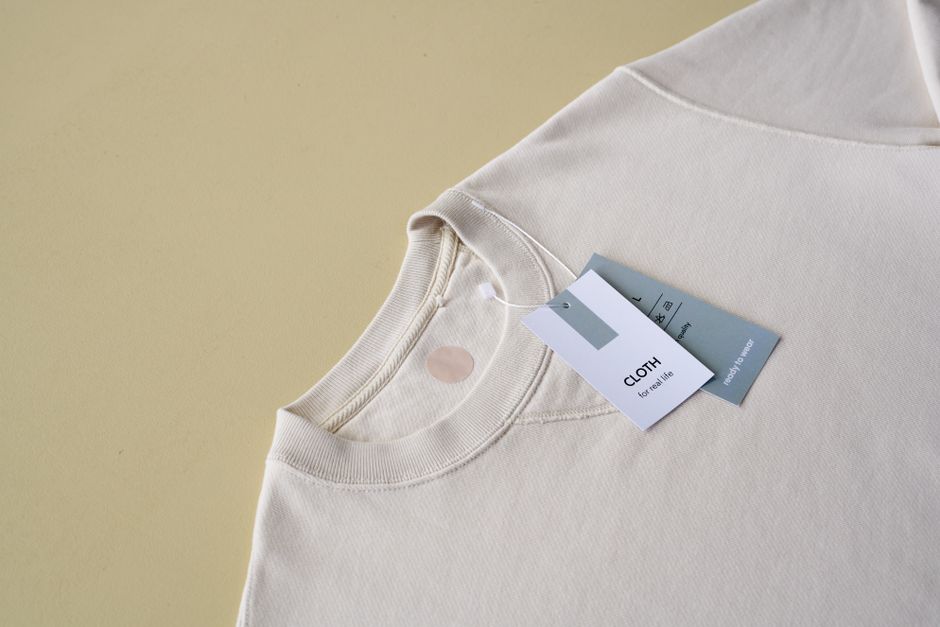
In recent years, the fashion industry has witnessed a significant transformation, with private label clothing emerging as a powerful trend. This business model not only allows retailers to offer unique products but also enables them to control quality, branding, and pricing. For entrepreneurs and established businesses alike, understanding the intricacies of private label clothing can open doors to new markets and enhanced profitability.
Understanding Private Label Clothing
Private label clothing refers to garments that are manufactured by one company for sale under another company’s brand. This model allows retailers to create their own branded products without the need for extensive manufacturing capabilities. One of the primary advantages of private label clothing is the ability to customize styles, fabrics, and sizes according to market demands.
According to a report by Statista, the global private label market is estimated to reach approximately $200 billion by 2024, highlighting the growing consumer preference for these products. With the rise of e-commerce, private label clothing has become increasingly accessible to small businesses, allowing them to compete with larger brands.
By leveraging private label clothing, businesses can significantly increase their profit margins. Retailers can source products at lower costs and sell them at a premium, creating a lucrative revenue stream. However, understanding the market dynamics and consumer preferences is crucial for success.
Benefits of Private Label Clothing
The advantages of private label clothing extend beyond just profit margins. One of the key benefits is brand differentiation. In a saturated market, having exclusive products helps retailers stand out from competitors. This differentiation is critical for building customer loyalty and trust.
Moreover, private label clothing allows retailers to have more control over their supply chain. From manufacturing to distribution, businesses can ensure that their products meet specific quality standards. This control not only enhances the customer experience but also reduces the risks associated with product recalls.
Additionally, retailers can adapt quickly to changing fashion trends. Since private label clothing can be produced in smaller batches, businesses can respond to consumer demands more efficiently compared to larger brands that may have slower production cycles.
Challenges in the Private Label Clothing Market
While private label clothing offers numerous benefits, it also presents several challenges that retailers must navigate. One of the primary challenges is finding the right manufacturer. Quality, cost, and reliability are paramount, and businesses need to conduct thorough research to identify suitable partners.
Another challenge is marketing private label products. Unlike established brands, private label clothing often lacks brand recognition, making it essential for retailers to invest in effective marketing strategies. This includes leveraging social media, influencer partnerships, and targeted advertising to build awareness and drive sales.
Furthermore, retailers must stay vigilant in monitoring consumer trends and preferences. The fashion industry is notoriously fickle, and failing to adapt to changing consumer tastes can lead to unsold inventory and financial losses. Implementing robust data analytics can help businesses make informed decisions regarding product offerings.
Steps to Launch Your Own Private Label Clothing Line
For those looking to enter the private label clothing market, there are several key steps to consider. First, conduct thorough market research to identify your target audience and their preferences. Understanding the demographics and buying habits of your customers is essential for developing a successful product line.
Next, select a niche that aligns with your brand identity. Whether it’s activewear, formal attire, or sustainable fashion, having a clear focus will help you create a cohesive product offering. Once you have defined your niche, it’s time to source manufacturers. Platforms like private label clothing wholesalers can provide a wide array of options to suit your needs.
After securing a manufacturer, develop a marketing strategy that highlights the unique aspects of your brand. Consider investing in high-quality photography and engaging content that showcases your products effectively. Building a strong online presence through social media and e-commerce platforms is crucial for reaching a wider audience.
Conclusion
Private label clothing presents a unique opportunity for retailers to create a distinctive brand identity and capture market share in a competitive landscape. By understanding the benefits and challenges associated with this business model, entrepreneurs can successfully navigate the complexities of the fashion industry. With careful planning, strategic partnerships, and effective marketing, private label clothing can be a profitable venture that drives growth and customer loyalty.
About the Author