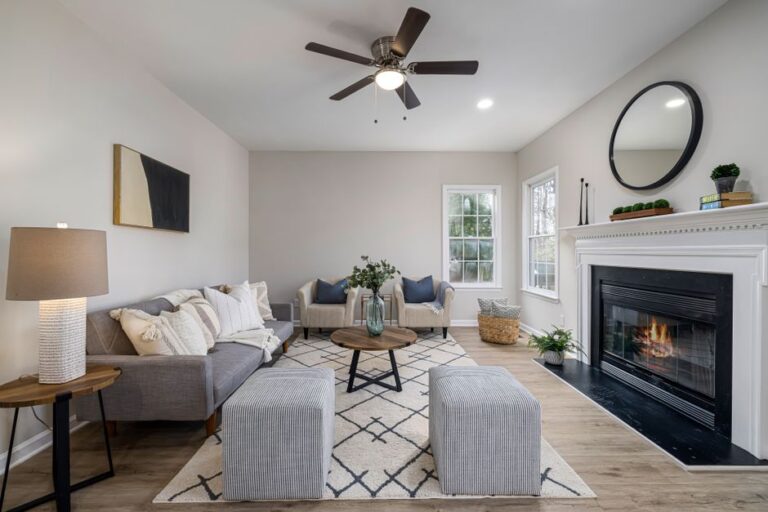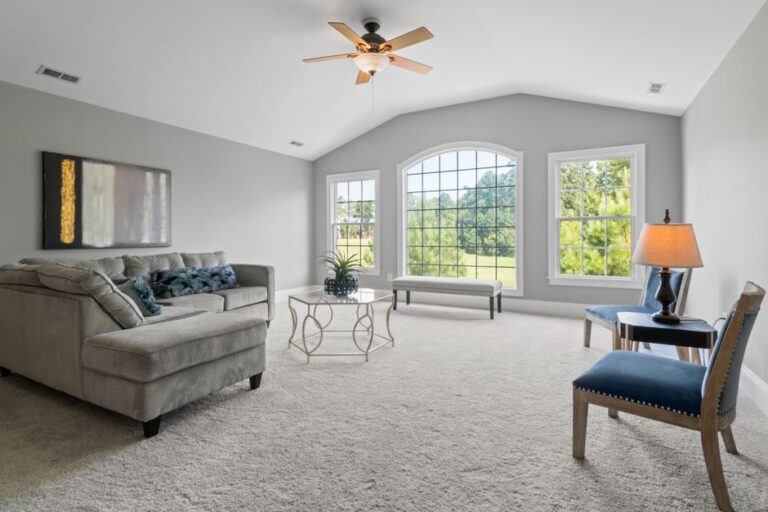
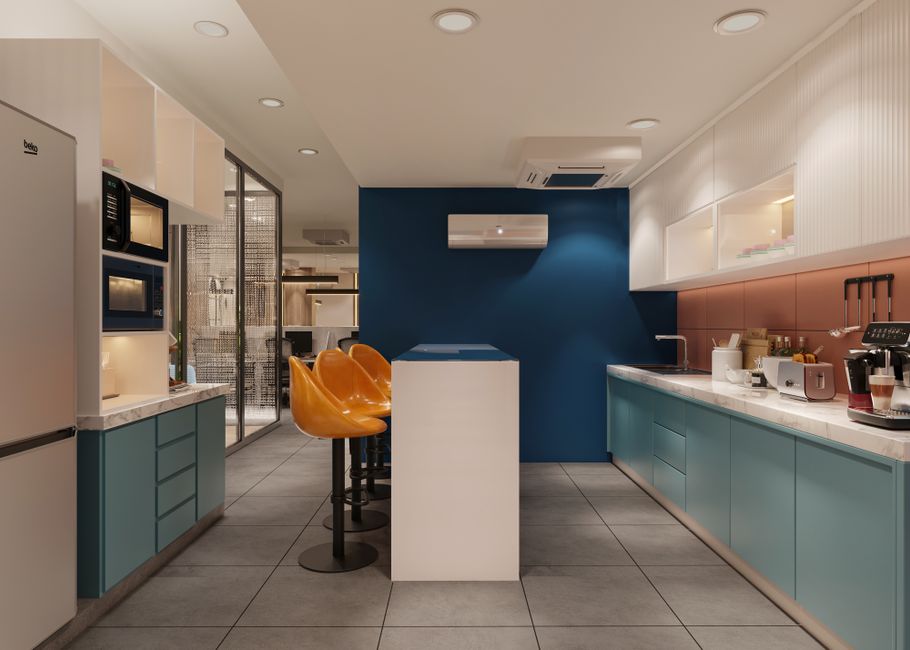
In today’s fast-paced world, the significance of interior design cannot be overstated. An interior design firm plays a crucial role in shaping the aesthetics and functionality of spaces, whether residential, commercial, or public. As we delve into the world of interior design, it becomes evident that these firms are not just about making spaces look beautiful; they are about creating environments that enhance the quality of life.
Understanding the Essence of Interior Design
Interior design is a multifaceted profession that involves the creation of functional and aesthetically pleasing indoor spaces. It encompasses a variety of elements, including color, lighting, furniture, and spatial layout. An interior design firm typically employs a team of skilled professionals, including interior designers, architects, and project managers, who work collaboratively to deliver designs that meet the client’s needs.
One of the core principles of interior design is understanding the client’s vision. This involves thorough consultations and discussions to grasp the client’s preferences, lifestyle, and budget. For instance, a family with young children may prioritize durable materials and safety features, while a corporate office may focus on creating a modern and collaborative workspace.
The Design Process: From Concept to Completion
The journey of transforming a space begins with a concept. An interior design firm usually starts with a comprehensive assessment of the space, including its dimensions, structural elements, and existing furnishings. This assessment is crucial for developing a design that not only looks good but also functions well.
Once the assessment is complete, the design team creates mood boards and initial sketches to convey their ideas. This is where creativity meets functionality. For example, incorporating sustainable materials and energy-efficient solutions has become increasingly popular. Many clients are now looking for designs that not only reflect their style but also contribute to environmental sustainability.
After the concept is approved, the firm moves into the planning phase, which includes selecting materials, colors, and furnishings. During this phase, budget considerations are paramount. An interior design firm must ensure that the design choices align with the client’s budget while still delivering high-quality results. This is where the expertise of seasoned designers comes into play, as they can navigate various suppliers and vendors to find the best options.
Creating Functional Spaces: The Importance of Layout
One of the key aspects of interior design is spatial layout. A well-thought-out layout can significantly enhance the functionality of a space. For commercial spaces, this might mean designing an open-plan office that encourages collaboration, while for residential spaces, it could involve creating cozy nooks that promote relaxation.
Interior designers consider factors such as traffic flow, room proportions, and the relationship between different areas of a space. For example, in a residential kitchen, the layout must facilitate easy movement between the cooking, preparation, and dining areas. In commercial settings, creating distinct zones for different activities can improve productivity.
The Power of Aesthetics: Color, Texture, and Lighting
While functionality is paramount, aesthetics also play a vital role in interior design. The choice of color, texture, and lighting can dramatically alter the mood of a space. An interior design firm often employs color theory to select palettes that evoke specific emotions. For instance, blues and greens are calming, making them suitable for bedrooms, while vibrant reds and yellows can energize a workspace.
Texture adds depth and interest to a design. Combining various materials, such as wood, metal, and fabric, can create a layered look that feels inviting. Additionally, lighting is essential in highlighting design features and creating ambiance. A well-designed lighting plan can transform a dull room into a vibrant atmosphere.
Furthermore, an interior design firm often stays updated with the latest trends in color and materials. For example, biophilic design, which incorporates natural elements into interiors, has gained popularity. This trend not only enhances aesthetics but also improves the well-being of occupants.
Conclusion: The Lasting Impact of Interior Design
An interior design firm does more than just decorate a space; it creates environments that enhance functionality and well-being. By understanding the client’s needs, navigating the design process, and implementing clever layouts, these firms play a pivotal role in shaping the spaces we inhabit. As we continue to spend more time indoors, the impact of thoughtful design becomes increasingly significant, making the expertise of interior design firms invaluable.
Whether it’s a cozy home or a bustling office, the right design can elevate our experiences and contribute to a better quality of life. As a final note, those interested in transforming their spaces should consider consulting an interior design firm to bring their vision to life.
About the Author