
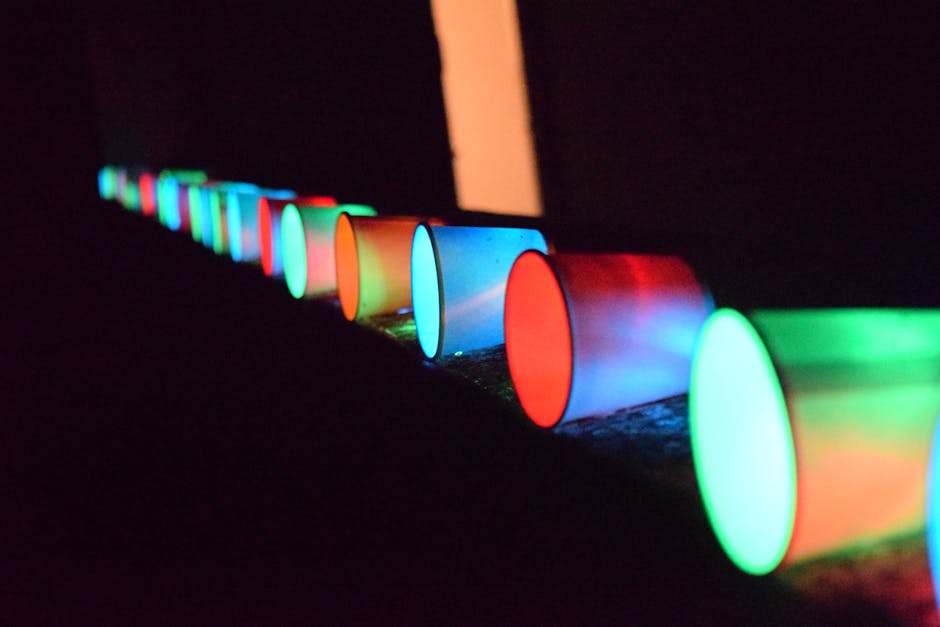
Light Emitting Diodes (LEDs) have revolutionized the way we illuminate our surroundings. From household lighting to massive billboards, the impact of LEDs is vast and profound. This article delves into the technology behind LEDs, their benefits, applications, and the future trends that are shaping the industry.
Understanding LED Technology
LEDs are semiconductor devices that emit light when an electric current passes through them. Unlike traditional incandescent and fluorescent bulbs, LEDs do not rely on heat to produce light, making them more energy-efficient. A typical LED bulb consumes up to 80% less electricity than incandescent bulbs, contributing significantly to energy conservation.
The technology behind LEDs involves the movement of electrons in a semiconductor material, which emits photons when they recombine. This process not only makes LEDs efficient but also allows for various color outputs by altering the materials used in their construction.
As the demand for energy-efficient lighting grows, innovations in LED technology continue to emerge, including advancements in color rendering, dimming capabilities, and integration with smart home systems.
Benefits of LED Lighting
The advantages of LED lighting are numerous. One of the most significant benefits is their longevity. An LED bulb can last up to 25,000 hours or more, compared to just 1,000 hours for incandescent bulbs. This longevity reduces the frequency of replacements, leading to lower maintenance costs over time.
In addition to their lifespan, LEDs are also highly durable. They are resistant to shock, vibration, and extreme temperatures, making them ideal for both indoor and outdoor applications. Furthermore, LEDs emit very little heat in comparison to traditional lighting, which helps to reduce cooling costs in buildings.
Another noteworthy advantage is the environmental impact of LEDs. They contain no hazardous materials like mercury, which is often found in fluorescent bulbs, and their energy efficiency contributes to lower greenhouse gas emissions.
Applications of LED Technology
LEDs are incredibly versatile and find applications in various sectors, including residential, commercial, and industrial environments. In homes, they are used in everything from ceiling lights to decorative lighting. Their ability to change colors and brightness makes them a popular choice for mood lighting.
In commercial settings, retail stores utilize LED lighting to highlight products and create an inviting atmosphere. Additionally, LEDs are commonly used in signage and traffic lights due to their visibility and low power consumption.
Industrial applications are also on the rise. Factories and warehouses are increasingly adopting LED lighting for their efficiency and ability to withstand harsh conditions. For example, warehouses benefit from the directional light that LEDs provide, reducing the need for excessive lighting.
Moreover, the rise of smart technology has led to the integration of LEDs with smart home systems. Homeowners can now control their lighting from their smartphones or through voice commands, creating a seamless and energy-efficient experience.
Future Trends in LED Technology
The future of LED technology looks promising. With ongoing research and development, we can expect to see improvements in efficiency and performance. Innovations such as organic LEDs (OLEDs) are gaining traction, offering even thinner and more flexible lighting solutions.
Another trend is the increasing use of LEDs in horticulture. Grow lights using LED technology are becoming popular among farmers and gardeners, as they provide the specific light spectra needed for plant growth while consuming less energy.
Additionally, the development of smart LEDs that can communicate with each other and the environment opens up new possibilities for automation and energy management. This can lead to energy savings and enhanced user experiences in both residential and commercial spaces.
As we progress, the integration of LEDs in various aspects of life will only expand. For example, the emergence of benzi LED RGB has transformed decorative lighting, allowing users to create dynamic environments with customizable color schemes.
Conclusion
LED technology is not just a trend; it represents a significant advancement in lighting solutions. With their energy efficiency, longevity, and versatility, LEDs have become an integral part of our daily lives. As innovations continue to emerge, we can expect LEDs to play an even more prominent role in shaping the future of lighting. Embracing this technology not only benefits consumers but also contributes to a more sustainable future.
About the Author