Bedbugs are tiny, elusive pests that can wreak havoc in our homes and lives. As their populations continue to rise, effective bedbug extermination has become a pressing concern for many. Understanding how to identify, prevent, and eliminate these pests is crucial for maintaining a healthy living environment. In this guide, we will explore various methods of bedbug extermination, offering practical advice and insights to help you combat these unwelcome invaders.
Understanding Bedbugs: Identification and Behavior
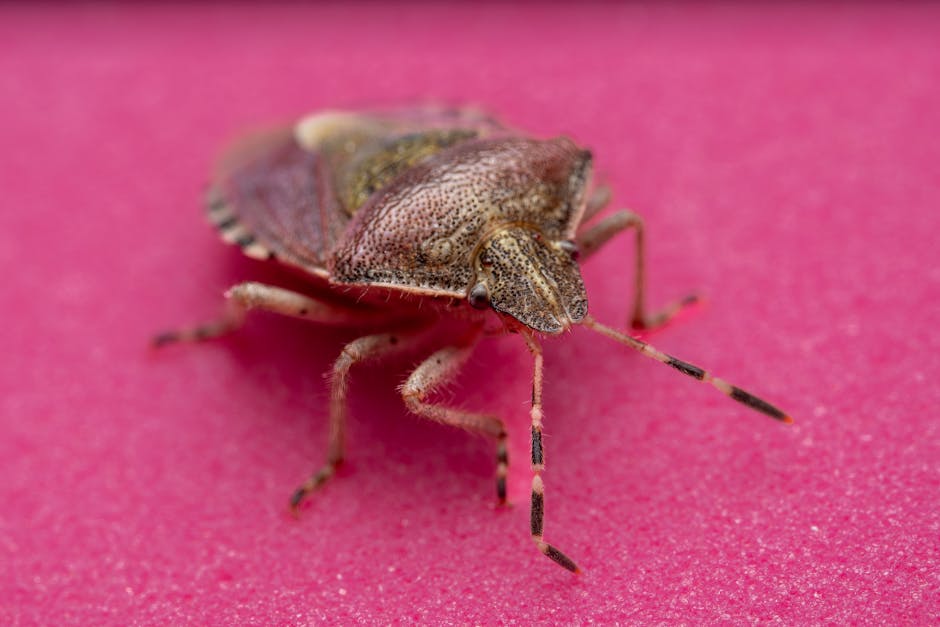
Bedbugs, scientifically known as Cimex lectularius, are small, flat, reddish-brown insects that feed on the blood of humans and animals. They are most active at night, hiding during the day in cracks and crevices. One of the first steps in bedbug extermination is identifying an infestation. Common signs include bite marks on the skin, small blood stains on sheets, and dark, rusty spots of bedbug excrement on mattresses or bedding.
Interestingly, bedbugs can survive for several months without a meal, making them particularly challenging to eradicate. They reproduce rapidly, with a female capable of laying hundreds of eggs in her lifetime. Understanding their lifecycle is essential for effective extermination.
Preventing Bedbug Infestations
The best way to handle bedbugs is to prevent them from entering your home in the first place. Here are some practical prevention tips:
1. **Be Cautious When Traveling**: Inspect hotel rooms for signs of bedbugs. Check the seams of mattresses and behind headboards.
2. **Seal Cracks and Crevices**: Regularly inspect and seal any gaps in walls, floors, and furniture where bedbugs can hide.
3. **Use Protective Covers**: Encase mattresses and box springs in bedbug-proof covers to prevent infestations.
Effective Bedbug Extermination Methods
When it comes to eliminating bedbugs, various methods can be employed. Here are some of the most effective:
1. **Heat Treatment**: Bedbugs cannot survive extreme temperatures. Professional exterminators often use heat treatments, raising the temperature of infested areas to over 120°F (49°C) for several hours.
2. **Chemical Treatments**: Insecticides specifically formulated for bedbug extermination are available. It’s essential to follow label instructions carefully and consider hiring a professional for application.
3. **Vacuuming and Steam Cleaning**: Regular vacuuming can help remove bedbugs and their eggs. Steam cleaning is also effective, as the high temperature kills the pests on contact.
4. **Professional Extermination Services**: Sometimes, the best approach is to call in the experts. Professional exterminators have access to more potent treatments and a wealth of experience.
For thorough results, consider seeking a comprehensive bed bug treatment plan that combines multiple methods for maximum effectiveness.
Post-Extermination: What to Expect
After extermination, it is crucial to monitor the area for any signs of returning bedbugs. Keep an eye out for bites, stains, or live bugs. Regular inspections and maintenance can help prevent future infestations.
Additionally, it is recommended to continue using protective mattress covers and to maintain cleanliness in sleeping areas. Bedbugs can be persistent, and taking proactive steps will help ensure they do not return.
Conclusion: Staying Vigilant Against Bedbugs
Bedbug extermination is a challenge that many homeowners face. By understanding bedbugs, implementing preventive measures, and utilizing effective extermination techniques, you can protect your home from these irritating pests. Staying informed and vigilant is key to preventing infestations and ensuring a peaceful, pest-free living environment.
About the Author