
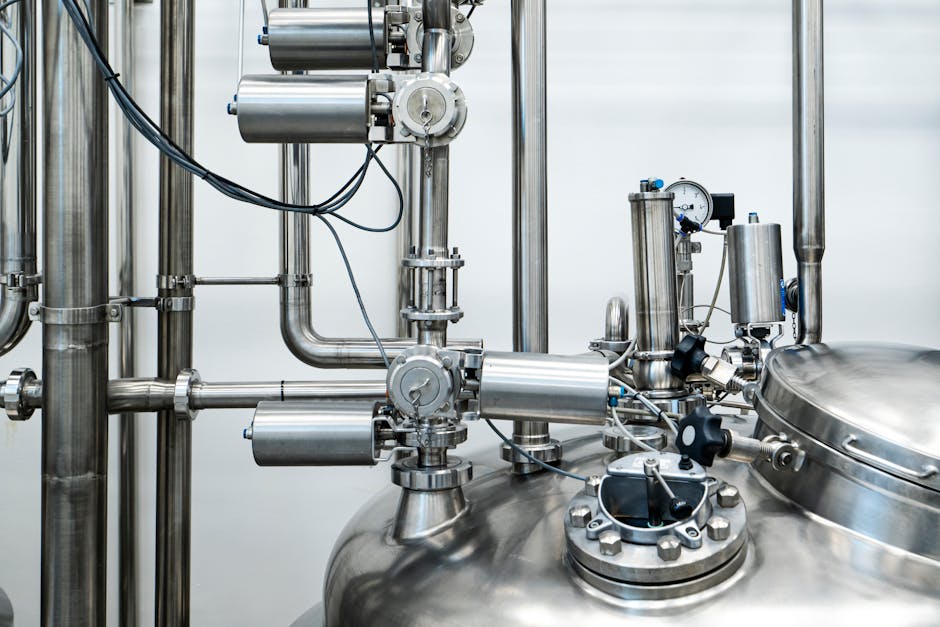
Stainless steel is one of the most widely used materials in various industries, celebrated for its durability, corrosion resistance, and aesthetic appeal. This alloy, primarily composed of iron, chromium, and sometimes nickel, is a cornerstone of modern manufacturing and design. From kitchen appliances to large infrastructure projects, stainless steel plays a crucial role in enhancing functionality while maintaining a sleek appearance. In this article, we will explore the unique properties, applications, and benefits of stainless steel.
Understanding Stainless Steel: Composition and Properties
To fully appreciate stainless steel, it is essential to understand its composition. Stainless steel typically contains at least 10.5% chromium, which forms a passive layer of chromium oxide on the surface, preventing rust and corrosion. This unique property makes it an ideal choice for environments that are exposed to moisture and harsh chemicals.
In addition to chromium, nickel is often added to improve the alloy’s ductility and toughness. Different grades of stainless steel exist, each tailored for specific applications. For example, 304 stainless steel is commonly used in kitchen equipment due to its excellent corrosion resistance and ease of cleaning, while 316 stainless steel, which contains molybdenum, is preferred in marine environments for its superior resistance to saltwater.
Applications of Stainless Steel in Various Industries
Stainless steel is utilized across numerous industries due to its versatile properties. In the culinary world, it is the material of choice for cookware, utensils, and appliances. Its non-reactive nature ensures that food remains uncontaminated, while its durability allows for extensive use without degrading.
In the construction industry, stainless steel is often used for structural components, roofing materials, and facades. The combination of strength and aesthetic appeal makes it a popular choice for architects and builders. Additionally, its longevity reduces maintenance costs, making it a cost-effective solution over time.
Furthermore, the automotive industry incorporates stainless steel in exhaust systems and other components, as it can withstand high temperatures and resist corrosion effectively. This ensures that vehicles maintain performance and safety standards.
The Environmental Benefits of Stainless Steel
In today’s eco-conscious world, the environmental impact of materials is a significant consideration. Stainless steel is highly recyclable, with the ability to be reused without losing quality. In fact, approximately 60% of new stainless steel is made from recycled materials, making it a sustainable choice for manufacturers.
Moreover, the longevity of stainless steel products contributes to reduced waste. By choosing stainless steel for various applications, companies can minimize the frequency of replacements, thereby decreasing their overall environmental footprint.
Innovations and Future Trends in Stainless Steel
The stainless steel industry continues to evolve, with ongoing research and development leading to innovative applications. One notable trend is the development of self-healing stainless steel, which can repair minor scratches and damage autonomously. This technology could significantly extend the lifespan of stainless steel products, reducing waste and enhancing their durability.
Another exciting trend is the incorporation of smart technologies into stainless steel products. For example, manufacturers are exploring ways to integrate sensors into stainless steel appliances, allowing for better energy management and user interaction. These advancements illustrate the potential for stainless steel to remain at the forefront of modern technology.
Conclusion: The Enduring Legacy of Stainless Steel
In conclusion, stainless steel’s unique properties and versatility make it an indispensable material across various sectors. Its ability to resist corrosion, combined with its aesthetic appeal, ensures it will remain a popular choice for manufacturers and consumers alike. As sustainability becomes increasingly important, the recyclability and longevity of stainless steel will further solidify its place in the future of material science. Whether used in the kitchen, construction, or automotive industries, stainless steel continues to exemplify strength, beauty, and practicality. For those looking for quality furnishings, a reputable Furniture Company In Saudi Arabia can provide stainless steel options that blend durability with modern design.
About the Author