
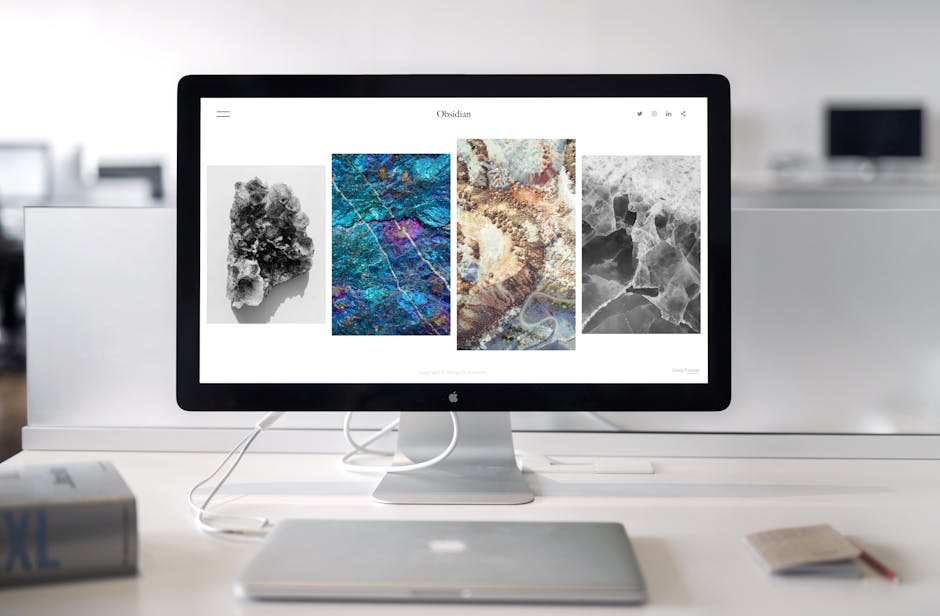
In today’s digital landscape, web design has become an essential aspect of creating an engaging online presence. It serves as the first point of interaction between businesses and their customers, making it crucial for any organization aiming to succeed in the digital world. Effective web design combines aesthetics with functionality, ensuring that users have a seamless experience while navigating a website. This article explores the various elements of web design, the importance of user experience, and current trends that are shaping the future of this dynamic field.
Understanding Web Design Principles
Web design is not merely about making a website look good; it encompasses a variety of principles that together create an effective online presence. Fundamental principles include layout, color theory, typography, and imagery. Each of these elements plays a vital role in how users perceive a website.
Layout refers to the arrangement of elements on a page. A well-structured layout guides users through the content, making it easier for them to find what they are looking for. For example, the use of grids can help create a balanced and organized appearance. According to a study by the Nielsen Norman Group, users take only 50 milliseconds to form an opinion about a website, making layout a critical factor in first impressions.
Color theory also plays a significant role in web design. Different colors evoke various emotions and can influence user behavior. For instance, blue is often associated with trust and dependability, which is why many financial institutions use it in their branding. Understanding the psychology behind colors can help designers create a more impactful user experience.
The Importance of User Experience (UX)
User experience (UX) is at the heart of modern web design. A website that provides a positive UX encourages users to stay longer, explore more, and ultimately convert into customers. UX encompasses all aspects of the user’s interaction with a website, from its design to its functionality.
To enhance UX, designers must focus on usability, accessibility, and overall satisfaction. For instance, a website should be easy to navigate, with clear calls to action and intuitive menus. Moreover, ensuring that a website is accessible to all users, including those with disabilities, is not just a legal requirement but also a moral obligation.
Research shows that 88% of online consumers are less likely to return to a site after a bad experience. Therefore, investing in UX design is not just a trend; it is a necessity for businesses looking to thrive in a competitive online market.
Responsive Design: The Need of the Hour
With the increasing use of mobile devices for browsing, responsive design has become a crucial aspect of web design. Responsive design allows a website to adapt its layout and content to different screen sizes, providing an optimal viewing experience across devices.
According to Statista, mobile devices accounted for over 54% of global website traffic in 2021. This statistic highlights the importance of creating mobile-friendly websites. A responsive design ensures that users have a consistent experience, regardless of whether they are accessing a site from a smartphone, tablet, or desktop computer.
Moreover, search engines like Google prioritize mobile-friendly websites in their rankings. Therefore, adopting a responsive design not only improves user experience but also boosts a website’s visibility in search engine results.
Current Trends in Web Design
Web design is an ever-evolving field, with new trends emerging regularly. Staying updated on these trends is essential for designers to create modern, appealing websites. Some of the current trends include minimalism, dark mode, and the use of animations.
Minimalism emphasizes simplicity, focusing on essential elements while removing unnecessary clutter. This approach not only makes websites more visually appealing but also enhances usability by guiding users toward key information.
Dark mode has gained popularity as it reduces eye strain and conserves battery life on mobile devices. Many websites and applications now offer a dark mode option, catering to user preferences and improving overall experience.
Animations can also enhance user engagement when used appropriately. Subtle animations can provide visual feedback, making interactions feel more dynamic and responsive. However, designers must strike a balance to avoid overwhelming users with excessive movement.
Conclusion: The Future of Web Design
As technology continues to advance, the field of web design will undoubtedly evolve. Designers must remain adaptable and open to new ideas while adhering to the fundamental principles of effective web design. By focusing on user experience, embracing responsive design, and keeping up with current trends, businesses can create websites that not only attract visitors but also convert them into loyal customers.
In this digital age, investing in high-quality web design is essential for success. Whether you’re a small business or a large corporation, understanding the intricacies of web design can give you a competitive edge in the marketplace. For those looking to enhance their web presence, seeking professional help, such as from https://digitalheroes.co.in, can provide valuable insights and expertise.
About the Author