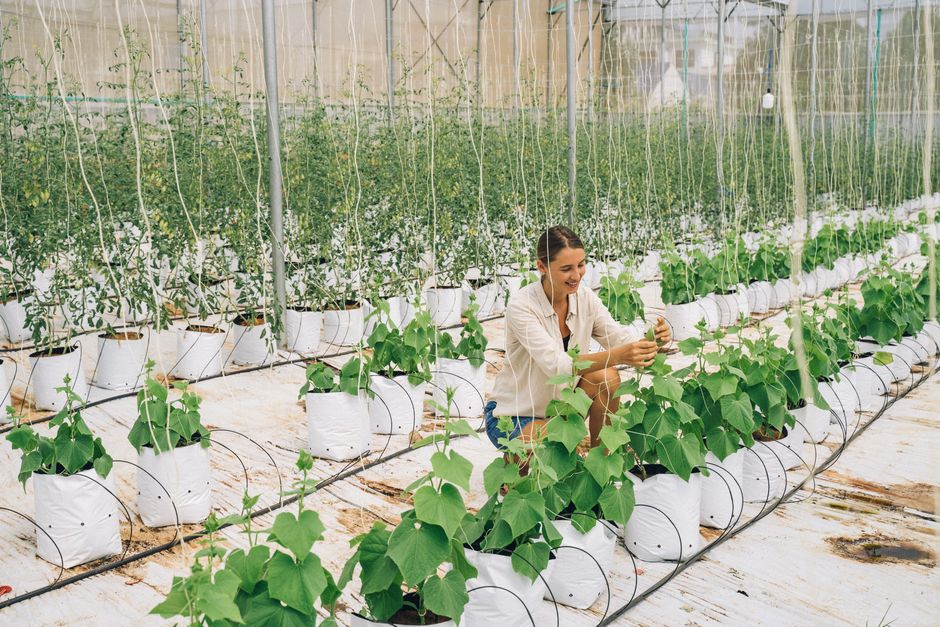
As urban populations continue to rise and agricultural land becomes increasingly scarce, the need for innovative farming solutions has never been more pressing. One such solution, vertical farming technology, is revolutionizing how we think about food production. This article delves into the principles, benefits, and future prospects of vertical farming, demonstrating its potential to reshape our food systems.
Understanding Vertical Farming
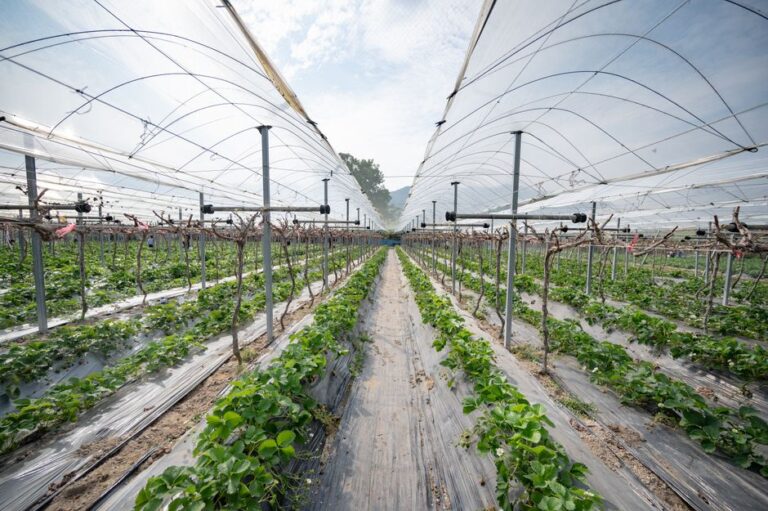
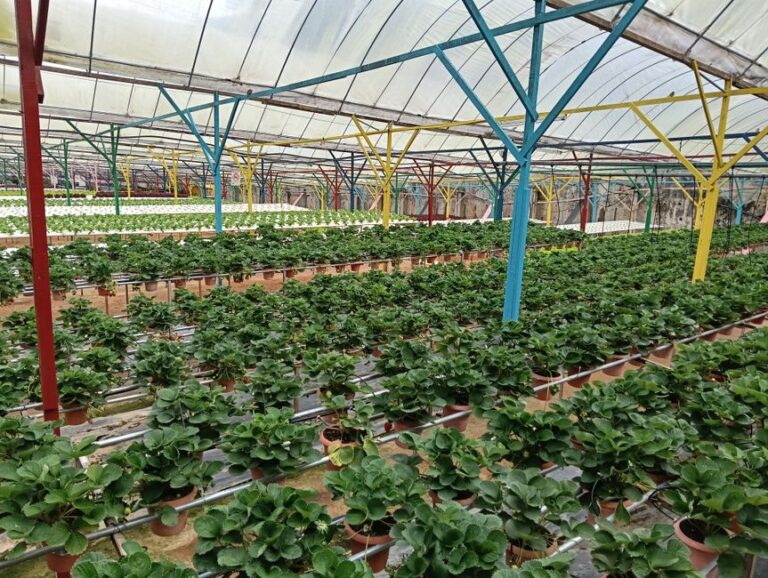
Vertical farming refers to the practice of growing crops in stacked layers or vertically inclined surfaces, often utilizing controlled-environment agriculture (CEA) technology. By optimizing conditions such as light, temperature, and nutrients, vertical farms can produce food year-round, independent of weather conditions. This method not only maximizes space but also minimizes the need for pesticides and herbicides.
In urban settings, where space is at a premium, vertical farms can be integrated into existing buildings or constructed as standalone facilities. For instance, the first commercial vertical farm was established in 2010 in Singapore, showcasing the feasibility of this approach in densely populated areas.
Benefits of Vertical Farming
One of the most significant advantages of vertical farming is its potential to produce higher yields compared to traditional farming methods. Studies indicate that vertical farms can yield up to 10 times more produce per square foot than conventional farms. This is particularly crucial as the global population is projected to reach 9.7 billion by 2050, necessitating a substantial increase in food production.
Furthermore, vertical farming reduces transportation costs and carbon emissions. By locating farms closer to urban centers, the need for long-distance transportation is diminished, leading to fresher produce and a lower carbon footprint. In addition, water usage is significantly reduced; vertical farms can use up to 90% less water than traditional farming, thanks to hydroponic and aeroponic systems.
Technological Innovations
The advancement of technology plays a pivotal role in the success of vertical farming. Key technologies include LED lighting, automated irrigation systems, and climate control mechanisms. LED lights can be tailored to provide the specific wavelengths of light that plants need for optimal growth, enhancing photosynthesis and reducing energy consumption.
Automation is another critical aspect, as it enables precise monitoring and control of environmental conditions. For example, sensors can track moisture levels, temperature, and nutrient concentrations, allowing for real-time adjustments to be made, thereby maximizing crop health and yield.
Moreover, vertical farming technology is increasingly incorporating artificial intelligence and data analytics to improve efficiency. By analyzing data collected from sensors, farms can predict crop yields, optimize resource usage, and even identify potential issues before they become significant problems.
Challenges Facing Vertical Farming
Despite its many advantages, vertical farming is not without challenges. High initial capital investment is a significant barrier, as the setup costs for construction, technology, and equipment can be substantial. However, as technology advances and becomes more affordable, these costs are expected to decrease.
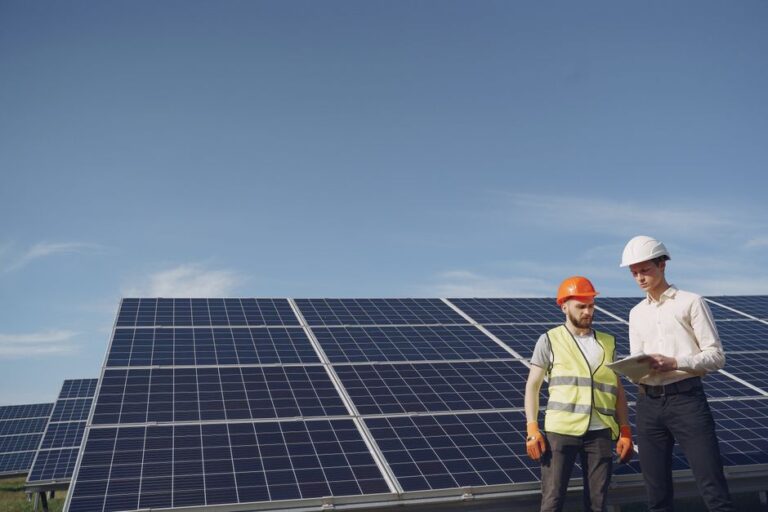
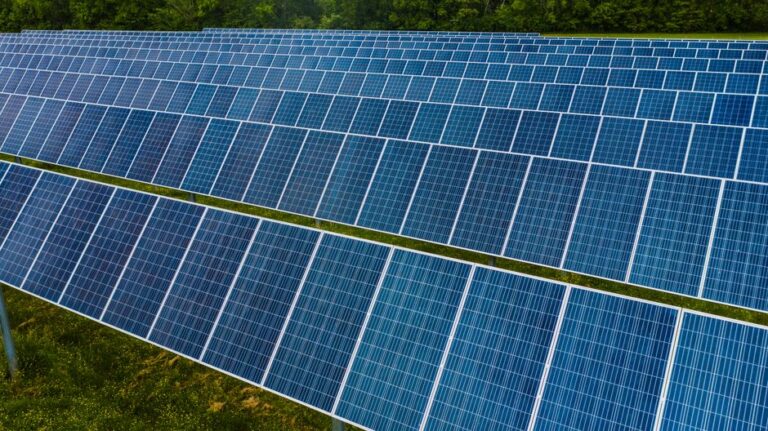
Another challenge is the reliance on energy-intensive systems, particularly for lighting and climate control. While advancements in renewable energy sources may mitigate this issue in the future, current operations often face scrutiny regarding their environmental impact.
The Future of Vertical Farming
The future of vertical farming technology looks promising as urbanization continues to accelerate. With the increasing awareness of sustainability and food security, vertical farms are likely to play a crucial role in meeting the demands of future generations. According to a report by the industry research firm, MarketsandMarkets, the vertical farming market is expected to reach $12.77 billion by 2026, indicating a significant growth trajectory.
As more cities explore the integration of vertical farms, the potential for community engagement and urban revitalization grows. These farms not only provide fresh produce but also offer educational opportunities and job creation within urban environments.
In conclusion, the integration of vertical farming technology into our agricultural practices presents a viable solution to many of the challenges we face today. By innovating how we grow food, we can create a more sustainable and resilient food system for the future.
About the Author