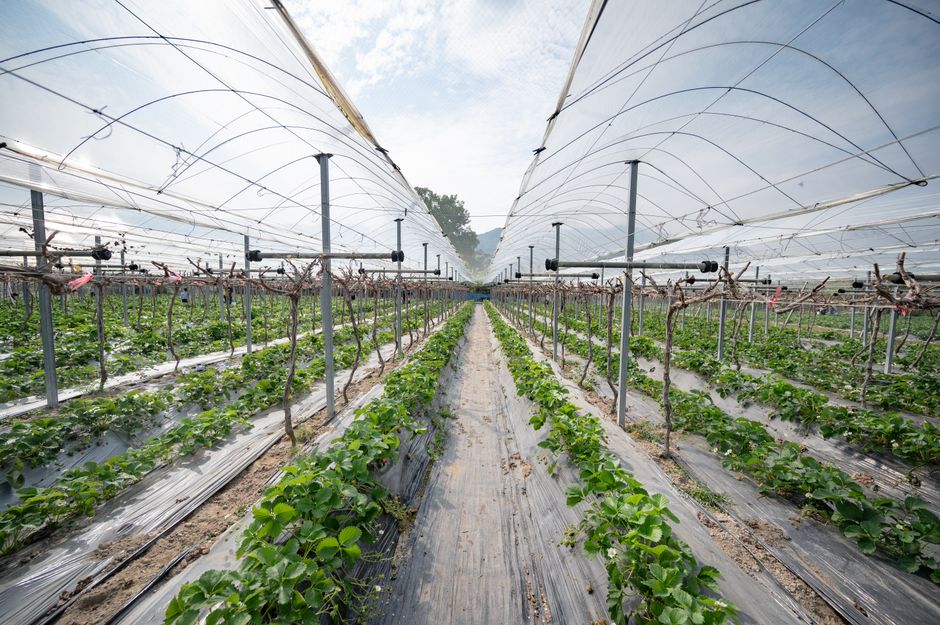
The agricultural landscape is undergoing a transformative change with the advent of vertical farming technology. As urbanization continues to grow and arable land dwindles, this innovative approach to farming offers a sustainable solution to food production. By utilizing vertical space and advanced technologies, vertical farms are redefining how we grow and consume food in urban environments.
Understanding Vertical Farming
Vertical farming refers to the practice of growing crops in vertically stacked layers, often integrated into structures like skyscrapers or repurposed warehouses. This method optimizes the use of space, allowing for higher crop yields per square foot compared to traditional farming methods. With the global population expected to reach 9.7 billion by 2050, vertical farming could be a key player in meeting food demands.
One of the notable features of vertical farming is its reliance on controlled environment agriculture (CEA) techniques. These techniques utilize artificial lighting, climate control, and nutrient delivery systems to create optimal growing conditions. As a result, crops can be grown year-round, independent of external weather conditions, which is a significant advantage over conventional farming.
Technological Innovations in Vertical Farming
Vertical farming technology integrates cutting-edge innovations that enhance productivity and sustainability. Hydroponics, aquaponics, and aeroponics are some of the methods used in vertical farms. Hydroponics involves growing plants in nutrient-rich water, while aquaponics combines fish farming with plant cultivation, creating a symbiotic relationship. Aeroponics, on the other hand, uses mist to deliver nutrients directly to the roots of plants.
Moreover, the integration of artificial intelligence (AI) and the Internet of Things (IoT) in vertical farms allows for real-time monitoring and management of crops. Sensors can provide data on temperature, humidity, and nutrient levels, enabling farmers to make informed decisions that maximize yield and minimize resource usage. This data-driven approach is crucial for optimizing production efficiency and reducing waste.
Environmental Benefits of Vertical Farming
The environmental impact of vertical farming is significantly lower than that of traditional agriculture. By using less water and land, vertical farms contribute to conservation efforts. According to a study, vertical farming uses up to 90% less water compared to conventional farming methods. Furthermore, since vertical farms can be located in urban areas, the need for transportation is reduced, leading to lower carbon emissions associated with food distribution.
Additionally, vertical farms can utilize renewable energy sources such as solar panels to power their operations, further decreasing their ecological footprint. This sustainable approach not only benefits the environment but also contributes to local economies by creating jobs and providing fresh, locally-grown produce.
Challenges Facing Vertical Farming
Despite its many advantages, vertical farming technology faces several challenges. The initial setup costs for vertical farms can be high due to the need for advanced technology and infrastructure. Additionally, the energy consumption associated with artificial lighting and climate control can be significant, raising concerns about the overall sustainability of some vertical farming operations.
Moreover, the market for vertical farming is still in its infancy, and there is a need for greater consumer awareness and acceptance of these products. To overcome these challenges, collaboration between technology developers, farmers, and policymakers will be essential in creating supportive frameworks and incentives for vertical farming.
The Future of Vertical Farming
The future of vertical farming is promising, with ongoing research and development aimed at improving efficiency and reducing costs. As technology continues to advance, it is likely that vertical farms will become increasingly viable and widespread. Innovations such as vertical farming robots and automated systems for planting, harvesting, and packaging are on the horizon, which could further revolutionize the industry.
In conclusion, vertical farming technology represents a significant leap forward in sustainable agriculture. By harnessing the power of innovation and technology, vertical farms can help address the pressing challenges of food security and environmental sustainability. As we look to the future, the integration of vertical farming into our urban landscapes could pave the way for a more resilient and sustainable food system.
About the Author