
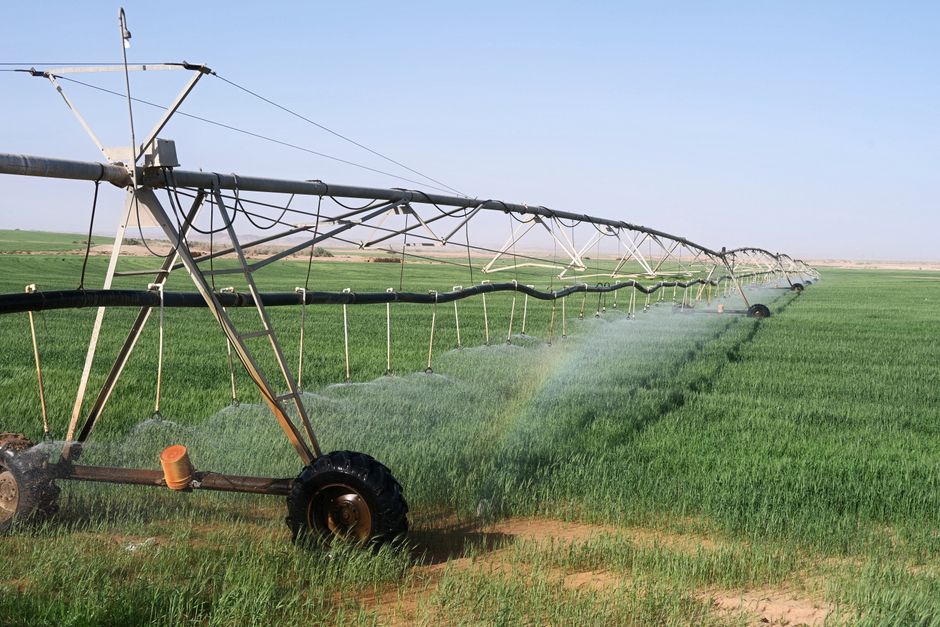
Irrigation systems play a crucial role in modern agriculture by ensuring that crops receive the right amount of water necessary for optimal growth. As climate change continues to impact weather patterns and water availability, understanding the various types of irrigation systems and their applications becomes increasingly important. This article delves into the different irrigation methods, their advantages and disadvantages, and the future of irrigation technology.
Types of Irrigation Systems
There are several types of irrigation systems that farmers can choose from, each with its unique benefits and challenges. The most common types include surface irrigation, drip irrigation, sprinkler irrigation, and subsurface irrigation.
Surface irrigation is one of the oldest methods, where water flows over the soil surface to reach the crops. This method is cost-effective but can be inefficient in terms of water usage, as evaporation and runoff can lead to significant water loss.
Drip irrigation, on the other hand, is a more precise method that delivers water directly to the plant roots through a system of tubes and emitters. This technique reduces water waste and can increase crop yields, making it particularly beneficial in arid regions. Studies have shown that drip irrigation can increase crop productivity by up to 50% compared to traditional methods.
Sprinkler irrigation mimics natural rainfall by spraying water over the crops through a system of pipes and pumps. This method is versatile and can be used on various terrains, but it requires a significant amount of energy and can be costly to install and maintain.
Lastly, subsurface irrigation involves placing the irrigation lines below the soil surface, allowing for efficient water delivery with minimal evaporation. This method is gaining popularity due to its efficiency, especially in areas where water conservation is critical.
Benefits of Efficient Irrigation Systems
Implementing efficient irrigation systems is not just about providing water; it also has a range of benefits that contribute to sustainable agriculture. One of the primary advantages is water conservation. Efficient systems like drip and subsurface irrigation can significantly reduce water usage, which is essential in areas facing water scarcity.
Moreover, these systems can improve soil health by reducing erosion and nutrient leaching. By delivering water directly to the roots, they promote healthier root systems and reduce the need for chemical fertilizers.
Economic benefits also play a significant role. Farmers who invest in modern irrigation systems often see a return on investment through increased crop yields and reduced labor costs. According to recent reports, farms that adopt advanced irrigation technologies can see a 30-40% increase in profitability.
Challenges in Implementing Irrigation Systems
Despite the many advantages, there are challenges associated with the implementation of irrigation systems. The initial investment cost can be a significant barrier for many farmers, especially in developing regions. For instance, the installation of drip irrigation systems can require substantial upfront costs, which may not be feasible for small-scale farmers.
Additionally, the maintenance of these systems is crucial. Regular checks and repairs are necessary to ensure the systems function properly. Neglecting maintenance can lead to inefficient water delivery and increased costs over time.
Furthermore, there is a need for education and training. Farmers must understand how to manage these systems effectively to maximize their benefits. Workshops and training programs can help bridge this knowledge gap, ensuring that farmers are equipped to utilize modern irrigation technologies.
The Future of Irrigation Technology
The future of irrigation systems is poised for innovation, driven by advancements in technology. The integration of smart technologies, such as soil moisture sensors and automated irrigation controllers, is transforming traditional irrigation practices. These systems use data to optimize water use, ensuring that crops receive the right amount of water at the right time.
Furthermore, sustainable practices are becoming more prevalent. Techniques such as rainwater harvesting and the use of recycled water are being explored to supplement traditional irrigation methods. These practices not only conserve water but also reduce the environmental impact of agriculture.
Research is ongoing into the development of new materials and technologies that can improve the efficiency and durability of irrigation systems. For example, innovations in polymer materials could lead to longer-lasting pipes and emitters, reducing the need for frequent replacements.
Conclusion
In conclusion, irrigation systems are vital for the sustainability and productivity of modern agriculture. With the right choices, farmers can enhance their crop yields while conserving precious water resources. As technology continues to evolve, the implementation of efficient irrigation methods will become increasingly accessible, paving the way for a more sustainable agricultural future. Embracing these advancements will not only benefit farmers but also contribute to global food security and environmental conservation. For further reading on the importance of irrigation systems in agriculture, visit irrigation system resources.
About the Author