
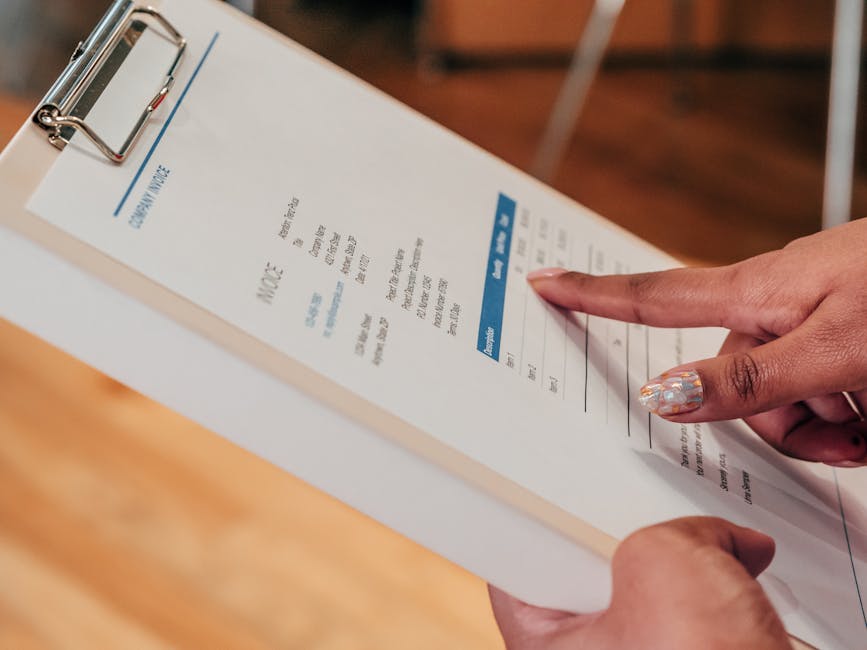
In today’s fast-paced business environment, invoice fraud is a growing concern for organizations of all sizes. As companies increasingly rely on digital transactions, the risk of falling victim to fraudulent invoices has never been higher. Recognizing and combating fraudulent invoices is essential for safeguarding financial integrity and maintaining trust in business relationships. This article will explore practical strategies to detect fraudulent invoices and minimize the risk of financial loss.
Understanding Invoice Fraud
Invoice fraud occurs when a business receives a fake invoice that appears legitimate. Criminals often impersonate suppliers or service providers to trick organizations into making payments for goods or services that were never delivered. According to a report by the Association of Certified Fraud Examiners (ACFE), businesses lose an average of 5% of their revenue each year due to fraud, with invoice fraud being one of the most common schemes.
There are various methods fraudsters use to create convincing invoices. These may include using similar logos, formatting, and even contact information that closely resembles a legitimate supplier. Therefore, understanding the common tactics employed by fraudsters is crucial in preventing financial losses.
Red Flags to Watch For
Identifying potential fraud begins with recognizing red flags in invoice documents. Common indicators of fraudulent invoices include discrepancies in contact details, unusual payment terms, and requests for payments to different accounts. If a supplier suddenly changes their bank account information or insists on immediate payment, these may be signs of fraud.
Additionally, invoices that lack purchase order numbers or have vague descriptions of goods or services should be scrutinized closely. It’s essential to establish a routine for reviewing invoices against purchase orders and contracts to ensure that all details align correctly.
Implementing Verification Processes
One of the most effective ways to detect fraudulent invoices is by implementing verification processes. Before processing a payment, companies should verify the legitimacy of the invoice by contacting the supplier directly using known contact information. This step can help confirm whether the invoice is genuine and prevent unnecessary financial loss.
Furthermore, organizations can establish a set of internal controls that require multiple levels of approval for invoice payments. By involving more than one individual in the approval process, the chances of overlooking fraudulent invoices are significantly reduced.
Utilizing Technology for Fraud Detection
In the digital age, technology plays a vital role in detecting and preventing invoice fraud. Numerous software solutions are available that can automate invoice processing and flag suspicious activities. For instance, machine learning algorithms can analyze patterns in invoice submissions and identify anomalies that may indicate fraudulent behavior.
Additionally, cloud-based accounting systems can store all invoices securely and provide easy access for verification purposes. Utilizing these technologies not only streamlines the invoice approval process but also enhances fraud detection capabilities.
Training Employees on Fraud Awareness
One of the most critical aspects of combating invoice fraud is educating employees about the risks and signs of fraudulent invoices. Regular training sessions can empower staff to understand how to identify suspicious invoices and the procedures for reporting them.
Encouraging a culture of vigilance within the organization can significantly reduce the risk of invoice fraud. Employees should feel comfortable discussing their concerns and reporting any discrepancies they notice without fear of reprimand.
Conclusion
In conclusion, the threat of invoice fraud is real and growing in today’s digital marketplace. By understanding the nature of invoice fraud, recognizing red flags, implementing verification processes, utilizing technology, and training employees, organizations can significantly reduce their risk of falling victim to fraudulent invoices. For those looking to enhance their fraud detection capabilities, it is essential to detect fraud invoice and take proactive measures to protect their financial assets.
About the Author