
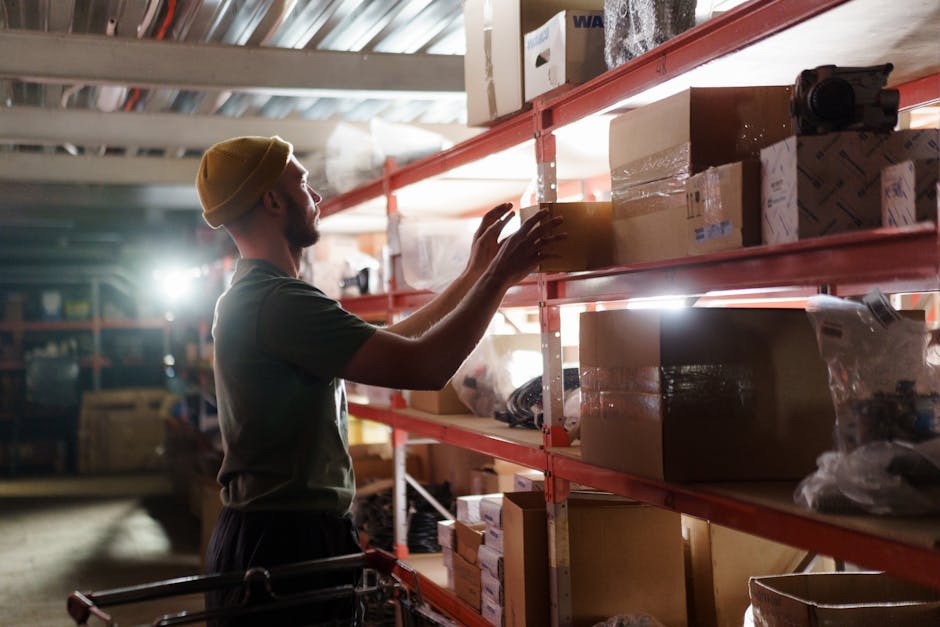
In the complex landscape of modern commerce, the role of distributors has become increasingly vital. They serve as the crucial link between manufacturers and retailers, ensuring that products reach consumers efficiently and effectively. Understanding the dynamics of distribution can provide insights into the overall success of businesses across various sectors.
What is a Distributor?
A distributor is an entity that purchases goods in bulk from manufacturers and sells them to retailers or directly to consumers. This intermediary function allows manufacturers to focus on production while distributors handle the logistics of getting products into the hands of consumers. This relationship not only streamlines operations but also enhances market reach.
Distributors often carry a range of products from multiple manufacturers, which provides retailers with the convenience of sourcing various goods from a single supplier. This model is particularly advantageous for smaller retailers who may lack the purchasing power to negotiate directly with manufacturers.
The Importance of Distribution Channels
Distribution channels are essential for any business aiming to maximize its market presence. Different channels can include wholesalers, retailers, and e-commerce platforms, each serving a unique purpose. By analyzing the effectiveness of different distribution channels, businesses can make informed decisions that enhance their sales and customer satisfaction.
For example, in the age of e-commerce, many distributors are now leveraging online platforms to reach a broader audience. This shift not only increases sales opportunities but also allows for better data collection and customer insights. Businesses that adapt to these trends can gain a significant competitive edge.
Types of Distributors
There are several types of distributors, each with its own operational model. Some of the most common include:
- Wholesale Distributors: These distributors buy large quantities of products directly from manufacturers and sell them in smaller quantities to retailers.
- Retail Distributors: These entities sell products directly to consumers, often operating physical stores or online platforms.
- Value-Added Distributors: These distributors add additional services, such as packaging or logistics, to enhance the product offering.
Each type of distributor plays a specific role in the supply chain, and businesses must choose the right type to align with their strategic goals. For instance, a company focusing on niche products might benefit from partnering with a value-added distributor that can provide specialized services to enhance product visibility.
Challenges Faced by Distributors
While distributors play a crucial role in the supply chain, they also face several challenges. One major issue is the need to adapt to rapidly changing market conditions. This includes shifts in consumer preferences, technological advancements, and economic fluctuations.
Additionally, maintaining strong relationships with both manufacturers and retailers is essential. Distributors must ensure that they are meeting the needs of both parties to sustain their business model. For instance, a distributor might need to provide training or promotional support to retailers to help them effectively sell the products they distribute.
Future Trends in Distribution
The future of distribution is likely to be shaped by several key trends. First, the integration of technology will continue to transform the industry. Tools such as artificial intelligence and data analytics are enabling distributors to optimize their operations and enhance customer service.
Moreover, sustainability is becoming a significant factor in distribution strategies. Consumers are increasingly aware of the environmental impact of their purchases, prompting distributors to adopt greener practices. This could include using eco-friendly packaging or optimizing delivery routes to reduce carbon emissions.
Lastly, the rise of direct-to-consumer models is challenging traditional distribution channels. Brands are increasingly looking to bypass distributors altogether, which may require traditional distributors to innovate and redefine their value propositions.
In this evolving landscape, businesses must remain agile and responsive to these trends to stay competitive. For instance, incorporating novel products like dmso gel into their offerings could provide distributors with unique selling points that attract retailers and consumers alike.
Conclusion
Distributors play an indispensable role in the marketplace, acting as the vital link between manufacturers and consumers. By understanding their functions, challenges, and the future landscape, businesses can leverage distribution strategies to enhance their success. As the market continues to evolve, adaptability and innovation will be key for distributors aiming to thrive in an increasingly competitive environment.
About the Author