
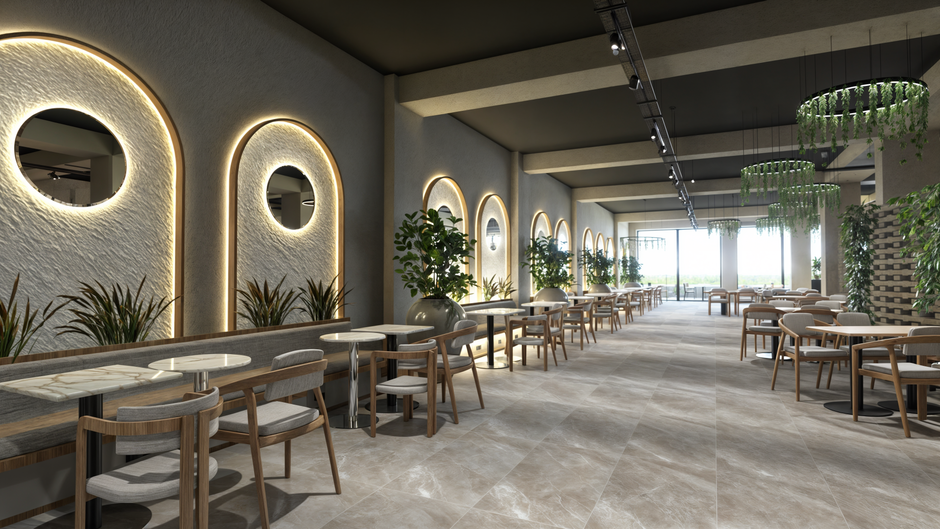
In the competitive world of dining, the atmosphere of a restaurant plays a crucial role in attracting and retaining customers. Restaurant interior design is not just about aesthetics; it’s about creating an experience that resonates with diners and enhances their enjoyment. From the choice of colors to the arrangement of furniture, every detail contributes to the overall ambiance, making it essential for restaurant owners to invest in high-quality design.
The Importance of First Impressions
First impressions are lasting, especially in the restaurant industry. Studies show that customers make judgments about a restaurant within the first few minutes of entering. Elements such as lighting, decor, and layout can significantly influence a guest’s perception. For instance, warm lighting can create a cozy atmosphere, while bright colors may evoke energy and excitement. Understanding how these factors impact customer behavior is vital for successful restaurant interior design.
According to a survey conducted by the National Restaurant Association, 60% of diners consider a restaurant’s atmosphere as important as the food quality. This statistic underlines the necessity for restaurant owners to prioritize their interior design. An aesthetically pleasing environment not only attracts new customers but also encourages repeat visits, thereby boosting revenue.
Key Elements of Restaurant Interior Design
When designing a restaurant interior, several key elements must be considered. Each aspect contributes to the overall theme and experience. Here are some of the most significant components:
1. Color Scheme: The choice of colors can affect mood and appetite. For example, red and yellow are known to stimulate appetite, making them popular choices in dining spaces. In contrast, blues and greens can create a calm and relaxed atmosphere.
2. Furniture Layout: How furniture is arranged can influence customer flow and interaction. An open layout encourages conversation, while booth seating offers intimacy. Balancing these different settings is crucial for a successful design.
3. Lighting: Proper lighting can transform a space. Dim lighting may create a romantic vibe, whereas bright lights are suitable for casual dining. Additionally, natural light can enhance the dining experience and make the space feel more inviting.
4. Branding: The interior should reflect the restaurant’s brand identity. Elements such as logos, artwork, and color schemes should harmonize with the overall theme to create a cohesive experience. For instance, a rustic farm-to-table restaurant might use reclaimed wood and vintage decor to reinforce its brand.
Incorporating these elements effectively requires knowledge and skill, which is why many restaurant owners turn to professionals in restaurant interior design. Experienced designers can help create spaces that are not only beautiful but also functional.
Trends in Restaurant Interior Design
The world of restaurant design is constantly evolving, with new trends emerging regularly. Some of the most notable trends currently shaping the industry include:
1. Biophilic Design: This trend emphasizes the connection between nature and the built environment. Incorporating natural materials, plants, and natural lighting into restaurant interiors enhances customer experience and promotes well-being.
2. Minimalism: A minimalist approach focuses on simplicity and functionality. Clean lines, neutral colors, and uncluttered spaces are hallmarks of this design style, providing a serene dining experience.
3. Open Kitchens: Many restaurants are opting for open kitchen designs, allowing diners to observe the cooking process. This transparency can enhance the dining experience and build trust between customers and chefs.
4. Sustainable Materials: As sustainability becomes a priority for consumers, more restaurants are choosing eco-friendly materials for their interiors. This not only reduces environmental impact but also appeals to eco-conscious diners.
Case Studies of Successful Restaurant Designs
Examining successful restaurant designs can provide valuable insights into effective interior design strategies. For instance, the acclaimed restaurant Noma in Copenhagen is renowned for its innovative design that reflects the surrounding nature. The use of natural materials and an open layout allows diners to feel connected to the environment, enhancing their overall experience.
Another example is the popular fast-casual chain Chipotle, which incorporates a modern, industrial aesthetic that aligns with its brand ethos of fresh, quality ingredients. Their use of natural wood, metal accents, and an open kitchen design creates a welcoming atmosphere that attracts a diverse clientele.
These case studies highlight the importance of aligning interior design with the restaurant’s brand identity and values. Investing in a thoughtful design can lead to increased customer satisfaction and loyalty.
Conclusion: The Future of Restaurant Interior Design
As the restaurant industry continues to evolve, so too does the importance of effective interior design. Restaurant owners must keep up with emerging trends and consumer preferences to create spaces that not only appeal to the senses but also foster memorable dining experiences. By prioritizing restaurant interior design, owners can enhance their brand, attract new customers, and ultimately drive greater profitability. In an industry where competition is fierce, a well-designed restaurant can make all the difference.
About the Author