
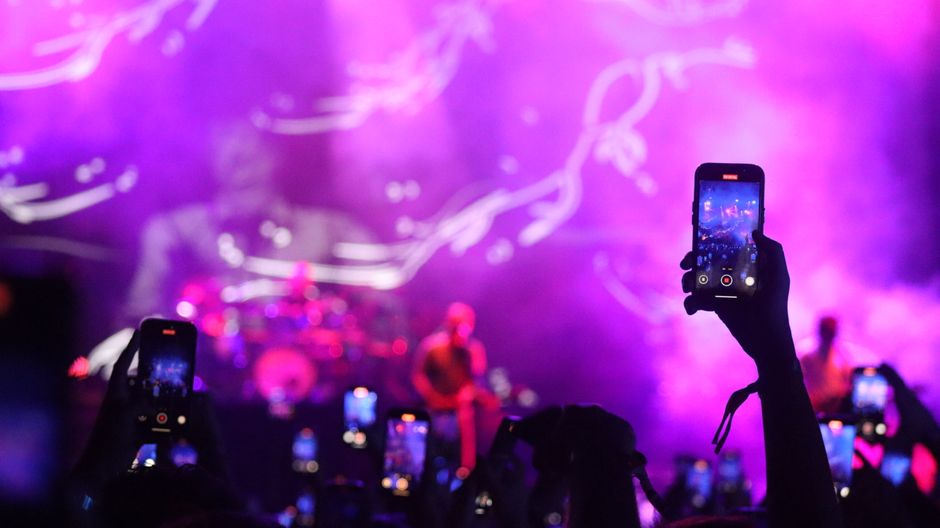
In the last decade, the music industry has undergone a radical transformation, largely fueled by the advent of technology. One of the most significant changes has been the evolution of concert ticketing platforms. Gone are the days when fans had to queue for hours at a box office or rely on traditional ticket retailers. Today, concert ticketing platforms have revolutionized how fans purchase tickets, offering convenience, accessibility, and a range of features that enhance the overall experience.
The Evolution of Ticketing in the Music Industry
Historically, concert ticketing was a cumbersome process. Fans often faced long lines and limited availability, which made securing tickets a stressful experience. With the internet’s rise in the late 1990s and early 2000s, online ticket sales began to gain traction. However, it wasn’t until the emergence of dedicated concert ticketing platforms that the industry truly transformed.
These platforms allow users to browse, compare prices, and purchase tickets from the comfort of their homes. According to a recent study, over 70% of concertgoers now prefer purchasing tickets online rather than at physical locations. This shift has not only increased sales but also provided fans with greater access to a wider range of events.
The introduction of mobile ticketing further paved the way for innovation. Fans can now purchase tickets directly through their smartphones, receive digital tickets, and even transfer them easily to friends. This level of convenience has significantly enhanced the user experience and streamlined the ticketing process.
Key Features of Modern Concert Ticketing Platforms
Modern concert ticketing platforms offer a variety of features that cater to the needs of both fans and event organizers. One of the most notable features is the dynamic pricing model. This model adjusts ticket prices based on demand, allowing organizers to maximize revenue while providing fans with the opportunity to purchase tickets at different price points.
Additionally, many concert ticketing platforms now incorporate social features. Fans can share events with friends, create groups for ticket purchases, and even see which events their friends are attending. This social aspect not only enhances the concert-going experience but also helps promote events through word-of-mouth.
Furthermore, the integration of data analytics allows organizers to make informed decisions. By analyzing ticket sales trends and consumer behavior, organizers can tailor their marketing strategies to attract more attendees. This data-driven approach is vital in an industry where competition is fierce and audience preferences are constantly changing.
Challenges Faced by Concert Ticketing Platforms
Despite the many advantages offered by concert ticketing platforms, they also face several challenges. One of the most significant issues is the prevalence of ticket scalping. Scalpers use automated bots to purchase large quantities of tickets, often reselling them at exorbitant prices. This practice frustrates genuine fans who are unable to afford tickets, leading to calls for stricter regulations.
Moreover, the ticketing industry is susceptible to technological glitches. High-demand events can cause website crashes, leaving fans unable to complete their purchases. A survey conducted by Ticketmaster indicated that 45% of consumers have experienced issues when buying tickets online, highlighting the need for platforms to invest in robust technology solutions.
Lastly, maintaining transparency in pricing is crucial. Hidden fees can lead to dissatisfaction among consumers and damage the reputation of ticketing platforms. Many companies are now striving to provide clearer pricing structures to build trust with their customers.
The Future of Concert Ticketing Platforms
As technology continues to evolve, so too will concert ticketing platforms. The integration of artificial intelligence (AI) and machine learning is set to revolutionize the industry further. These technologies can help personalize the ticket-buying experience, recommending events based on past behavior and preferences.
Moreover, virtual and augmented reality technologies are beginning to play a role in ticketing as well. Imagine being able to virtually attend a concert before purchasing tickets or experiencing a 360-degree view of the venue. These innovations could redefine how fans engage with live events.
Additionally, with the rise of blockchain technology, ticketing platforms are exploring ways to utilize secure, transparent transactions. Blockchain could eliminate fraud and provide a tamper-proof record of ticket ownership, ensuring that fans receive legitimate tickets.
Conclusion
The rise of concert ticketing platforms has fundamentally changed the landscape of live events, making it easier and more convenient for fans to access their favorite performances. While challenges such as scalping and technological issues remain, the future of ticketing looks promising with advancements in technology. By harnessing the power of data, AI, and blockchain, concert ticketing platforms are poised to enhance the live event experience for fans around the world. As the industry continues to evolve, it is essential for both fans and organizers to stay informed and adapt to these changing dynamics.
For a deeper dive into the world of ticketing, explore the comprehensive services offered by a leading concert ticketing platform.
About the Author