
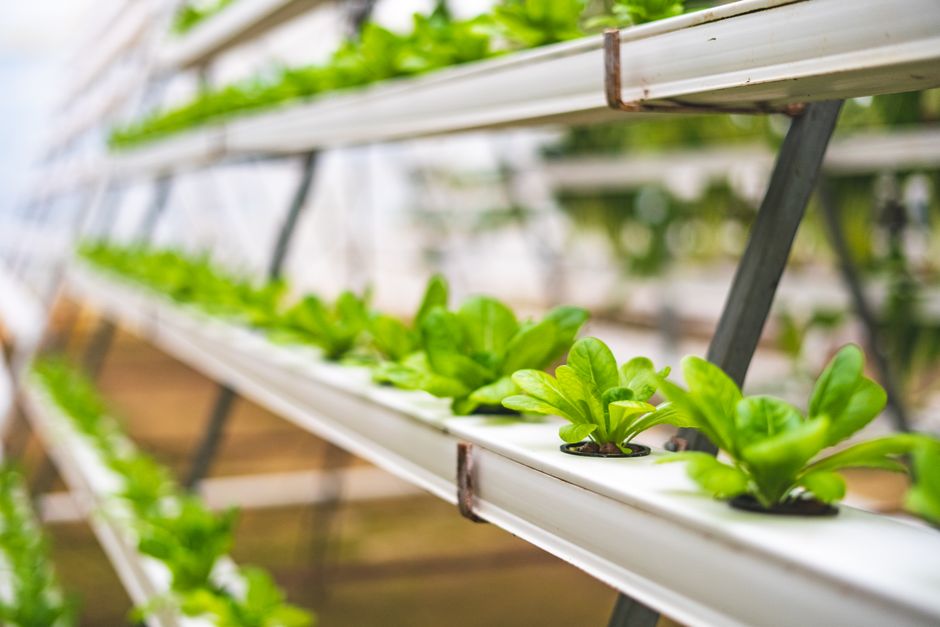
Aquaponics is an innovative approach to gardening that combines aquaculture and hydroponics, offering a sustainable solution for growing food. By integrating fish farming with plant cultivation, aquaponics kits provide an efficient way to produce fresh vegetables and fish in a symbiotic environment. This article delves into the intricacies of aquaponics kits, their benefits, and how they can revolutionize the way we think about gardening and food production.
What is an Aquaponics Kit?
An aquaponics kit is a complete system designed to facilitate the growth of plants and fish together. Typically, these kits come equipped with all the necessary components, including a fish tank, grow bed, water pump, and filtration system. The beauty of aquaponics lies in its closed-loop system, where fish waste provides organic nutrients for the plants, while the plants help filter and purify the water for the fish.
These kits vary in size and complexity, catering to both beginners and experienced gardeners. For instance, a small home aquaponics kit might be perfect for urban dwellers with limited space, while larger systems can support more extensive operations. Regardless of size, the principles remain the same: efficient resource use, sustainability, and healthy food production.
The Benefits of Using Aquaponics Kits
One of the primary advantages of aquaponics is its minimal use of water compared to traditional farming methods. Research shows that aquaponics can use up to 90% less water than conventional agriculture, making it an ideal solution in areas facing water scarcity. This efficiency stems from the recirculating nature of the system, where water is continuously filtered and reused.
Additionally, aquaponics eliminates the need for chemical fertilizers and pesticides, as the fish waste naturally enriches the water. This organic approach not only leads to healthier plants but also contributes to a more sustainable food system. Consumers are increasingly seeking organic produce, and aquaponics systems can meet this demand effectively.
Furthermore, aquaponics kits can be an educational tool, promoting awareness about sustainable practices and food production among individuals and families. Engaging children in gardening through aquaponics can instill a sense of responsibility towards the environment and a deeper understanding of food sources.
How to Set Up Your Aquaponics Kit
Setting up an aquaponics kit may seem daunting, but it is quite manageable with the right guidance. First, choose a location with adequate sunlight, as most plants require a minimum of 6-8 hours of light daily. Next, assemble the components according to the manufacturer’s instructions.
After setting up the system, it is essential to cycle the tank before introducing fish. This process establishes beneficial bacteria that convert fish waste into nutrients for the plants. Typically, cycling takes about 4-6 weeks. During this time, select fish species that are suitable for aquaponics, such as tilapia or goldfish.
Once the system is cycled, you can begin planting. Herbs and leafy greens are excellent choices for beginners, as they grow quickly and thrive in aquaponic systems. As you gain experience, you can experiment with a wider variety of plants.
Common Challenges with Aquaponics Kits
While aquaponics offers numerous benefits, it is not without its challenges. One common issue is maintaining the balance between fish and plant populations. Too many fish can lead to excess waste, while too few may not provide adequate nutrients for the plants. Regular monitoring of water quality, including pH levels and ammonia concentration, is crucial for a thriving system.
Additionally, pests and diseases can pose a threat to both fish and plants. Implementing preventive measures such as maintaining cleanliness and introducing beneficial insects can help mitigate these risks. Incorporating a strong filtration system can also enhance water quality and reduce the likelihood of disease.
Exploring the Future of Aquaponics
The future of aquaponics is bright, with advancements in technology making systems more accessible and efficient. Innovations such as automated monitoring systems, LED grow lights, and mobile aquaponics kits are revolutionizing the industry. These developments allow for greater control over growing conditions and make it easier for individuals to engage in sustainable food production.
Moreover, the rising interest in local and organic food sources has led to an increase in community-based aquaponics projects. Urban farms and educational institutions are adopting aquaponics to promote sustainable practices and provide fresh produce to local communities.
As we face global challenges such as climate change and food insecurity, aquaponics represents a viable solution for sustainable agriculture. Investing in an aquaponics kit not only contributes to personal health but also supports a larger movement towards environmental stewardship.
Conclusion
Aquaponics kits offer an innovative and sustainable way to grow food while conserving resources. With numerous benefits, including water efficiency, organic production, and educational opportunities, they are an excellent choice for anyone interested in gardening. By understanding the fundamentals of aquaponics and setting up your kit correctly, you can embark on a rewarding journey toward self-sufficiency and environmental responsibility. As technology continues to evolve, the potential for aquaponics in both home and commercial settings will undoubtedly expand, paving the way for a greener future.
About the Author