In recent years, the baby furniture market has seen significant growth, driven by increasing demand from new parents who prioritize safety, functionality, and aesthetics for their little ones. The wholesale sector plays a crucial role in meeting this demand, offering a wide array of options that cater to the diverse needs of families. This article delves into the current trends in baby furniture wholesale, the benefits of buying in bulk, and tips for retailers looking to thrive in this competitive market.
Current Trends in Baby Furniture Wholesale
The baby furniture market is evolving rapidly, with several trends shaping its landscape. One of the most notable trends is the rise of eco-friendly materials. Parents are increasingly concerned about the environment and the safety of the materials used in their children’s furniture. As a result, manufacturers are now focusing on sustainable practices, offering products made from reclaimed wood, organic fabrics, and non-toxic finishes.
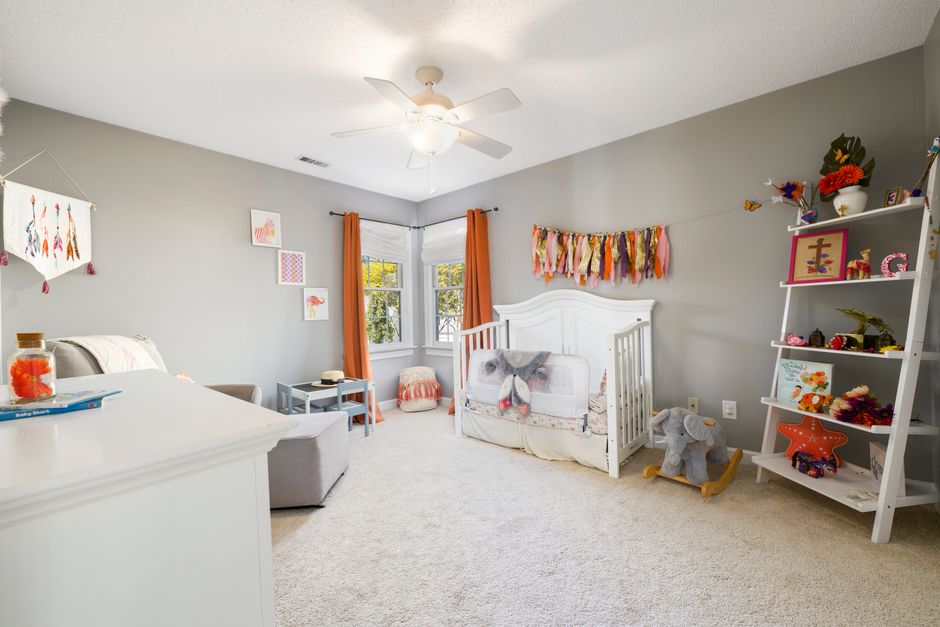
Another trend is the customization of baby furniture. Retailers are recognizing the importance of personalized products, allowing parents to choose colors, patterns, and even specific configurations that suit their nursery’s theme. This personalization not only enhances the shopping experience but also helps retailers differentiate themselves in a crowded market.
Moreover, the integration of technology into baby furniture is gaining traction. From cribs that can monitor a baby’s sleep patterns to smart changing tables that track diaper changes, innovative features are becoming more commonplace. Retailers who stay ahead of these technological advancements can attract tech-savvy parents looking for modern solutions for their nursery.
Benefits of Buying Baby Furniture Wholesale
For retailers, purchasing baby furniture wholesale offers numerous advantages. Firstly, buying in bulk typically results in lower prices per unit, allowing retailers to maintain healthy profit margins. This cost efficiency is crucial, especially for small businesses looking to compete with larger retailers.
Additionally, wholesale suppliers often provide a wider selection of products compared to individual manufacturers. This variety enables retailers to cater to different customer preferences and market trends, ensuring they have the right offerings to meet consumer demands.
Moreover, establishing strong relationships with wholesale suppliers can lead to better terms, such as flexible payment options and exclusive access to new products. This connection can be pivotal for retailers aiming to enhance their inventory and keep pace with market changes.
Key Considerations for Retailers
When venturing into the baby furniture wholesale market, retailers should consider several key factors. First and foremost, they must ensure that the products they offer meet safety standards. With the increasing scrutiny on baby products, compliance with regulations is non-negotiable.
Another important aspect is understanding the target market. Retailers should conduct thorough market research to identify their ideal customer demographic, which can help in curating a product selection that resonates with their audience. For instance, urban parents may prefer space-saving furniture, while families in suburban areas might opt for larger, more traditional pieces.
Retailers should also leverage online platforms to expand their reach. E-commerce has transformed the retail landscape, and having a robust online presence can significantly increase sales opportunities. Utilizing online marketing strategies can help retailers attract new customers and retain existing ones.
Strategies for Success in the Baby Furniture Wholesale Industry
To succeed in the baby furniture wholesale industry, retailers need to implement strategic approaches. One effective strategy is to stay updated on industry trends and consumer preferences. Attending trade shows, following industry publications, and networking with other professionals can provide valuable insights into emerging trends.
Another strategy is to focus on excellent customer service. Providing personalized assistance, quick response times, and easy return policies can enhance customer satisfaction and foster loyalty. Satisfied customers are likely to return and recommend the retailer to others, driving word-of-mouth marketing.
Additionally, retailers should consider diversifying their product range. While baby furniture is the primary focus, offering complementary items such as bedding, decor, and accessories can increase average order value and create a one-stop shopping experience for customers.
Conclusion
The baby furniture wholesale market presents a plethora of opportunities for retailers willing to adapt and innovate. By understanding current trends, leveraging the benefits of bulk purchasing, and focusing on customer needs, businesses can position themselves for success in this growing industry. As parents continue to seek high-quality, safe, and stylish furniture for their children, the demand for wholesale baby furniture is likely to remain strong. Retailers who embrace these changes and commit to providing exceptional products and services will thrive in the competitive landscape.
For those interested in exploring the world of wholesale options, visiting platforms that specialize in baby furniture wholesale can be a great starting point to find reliable suppliers and unique offerings.
About the Author