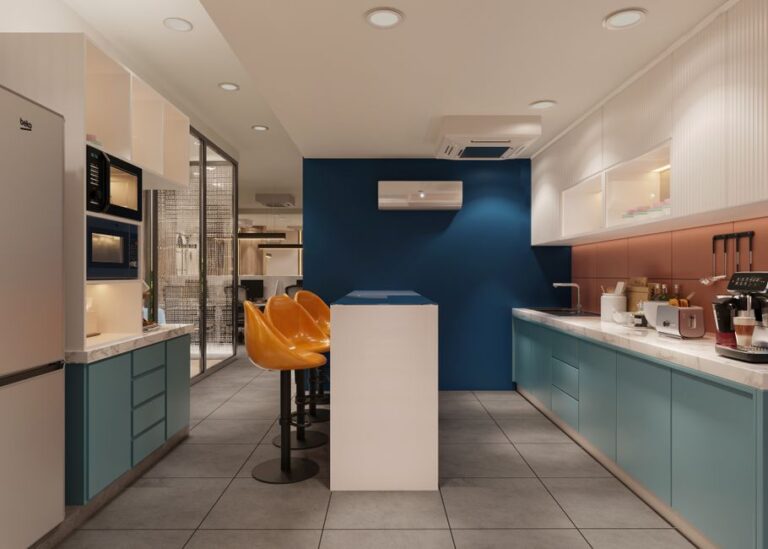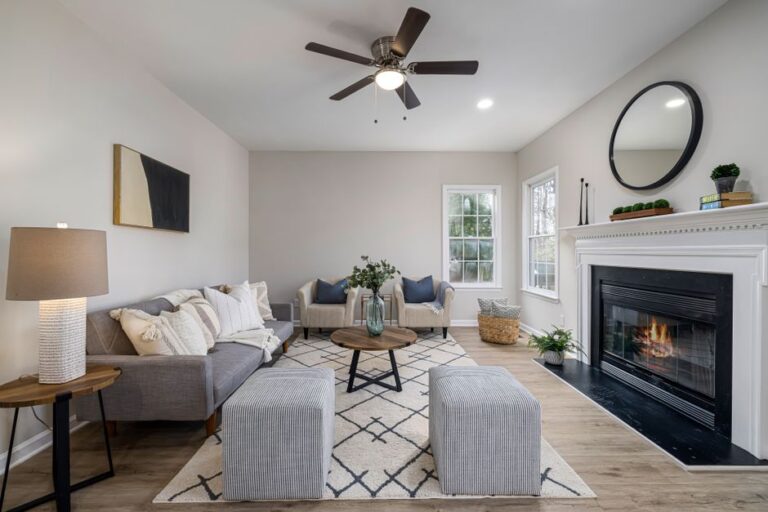
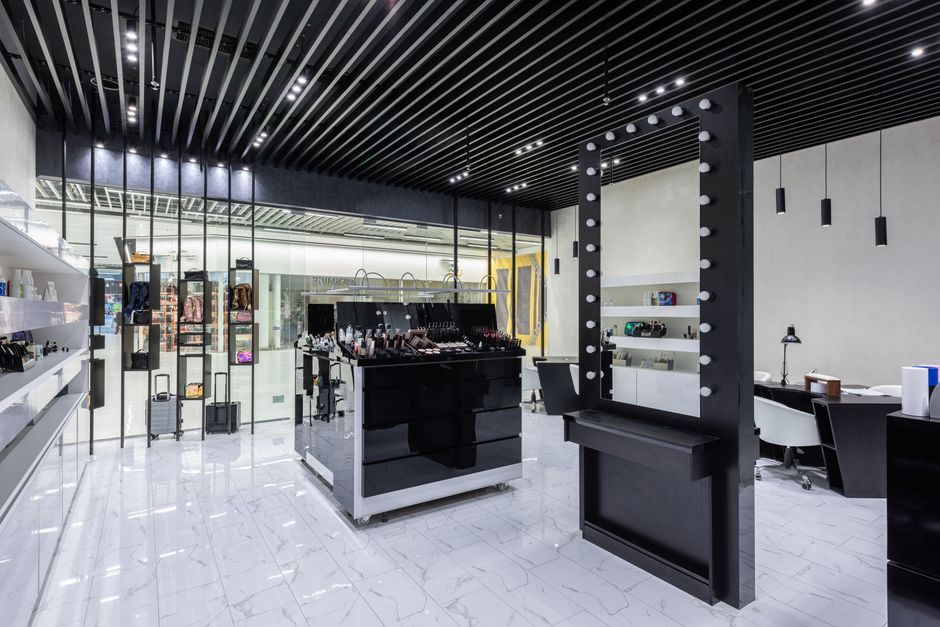
In today’s competitive business landscape, the importance of a well-designed commercial space cannot be overstated. From enhancing brand identity to improving employee productivity, commercial interior designers play a pivotal role in shaping environments that reflect a company’s values and goals. This article delves into the multifaceted responsibilities of commercial interior designers and the impact they have on businesses.
The Importance of Commercial Interior Design
Commercial interior design is more than just aesthetics; it is about functionality, brand alignment, and user experience. A well-designed office can significantly affect employee morale and efficiency. According to a study by the World Green Building Council, organizations that invest in better workspace design can see a 20% increase in employee productivity. This statistic emphasizes the need for businesses to consider professional design services.
Moreover, the design of a commercial space can directly influence customer perception. For instance, a stylish, modern retail store can attract more foot traffic, encouraging potential customers to explore and purchase. Thus, hiring a professional commercial interior designer can be a strategic investment.
Key Responsibilities of Commercial Interior Designers
Commercial interior designers are tasked with creating environments that are not only visually appealing but also practical. Their responsibilities often include space planning, furniture selection, lighting design, and color schemes. Each of these elements plays a crucial role in the overall feel and functionality of the space.
Space planning, for example, involves analyzing how people will interact within a space and ensuring that the layout promotes efficiency. This may include the arrangement of workstations in an office to facilitate collaboration or the design of customer flow in a retail environment. Effective space planning can lead to a more harmonious and productive atmosphere.
Trends in Commercial Interior Design
The field of commercial interior design is constantly evolving, with new trends emerging to meet the changing needs of businesses. One notable trend is the incorporation of biophilic design, which integrates natural elements into the built environment. Research suggests that incorporating plants and natural light can enhance well-being and productivity in the workplace.
Another trend is the focus on sustainability. More businesses are seeking eco-friendly materials and energy-efficient designs. Designers are now tasked with creating spaces that not only look good but also minimize environmental impact. This shift is not just a trend but a necessary evolution in response to global sustainability challenges.
Choosing the Right Commercial Interior Designer
When selecting a commercial interior designer, businesses should consider several factors. One important aspect is the designer’s portfolio, which showcases their previous work and design style. It’s essential to find a designer whose aesthetic aligns with the company’s vision.
Additionally, communication is key. A successful designer must understand the client’s needs and vision. This collaboration ensures that the final design not only meets functional requirements but also resonates with the company’s brand identity.
Conclusion: Investing in Professional Design
The role of commercial interior designers is vital in creating spaces that are not only functional but also reflect a brand’s ethos. By investing in professional design, businesses can enhance employee satisfaction, improve customer experiences, and ultimately drive success. As the demand for innovative and sustainable design continues to grow, the expertise of a commercial interior designer will become increasingly valuable for businesses aiming to excel in a competitive market.
About the Author